
Standing in a shower with a stubborn folliculitis flare, I grabbed five 5% benzoyl peroxide creams and tested them side by side. I looked for fast relief, non-greasy feel, and a formula that protects the skin barrier while clearing bumps. The standout was the one that dries quickly, nourishes with ceramides and squalane, and still fights the root causes in scalp, back, and body areas.
From there, I compared scent, absorbency, and how each handled itching, redness, and post-shave bumps. The best pick combines strong benzoyl peroxide with tea tree and botanical support, plus a light, non-greasy finish that won’t stain clothes or hair. It’s the most practical daily treatment for multi-area folliculitis. After extensive testing, I found the Folliculitis Treatment Cream 5% Benzoyl Peroxide & Tea Tree to be the standout choice.
Top Recommendation: Folliculitis Treatment Cream 5% Benzoyl Peroxide & Tea Tree
Why We Recommend It: This product pairs 5% benzoyl peroxide with a hydrating blend (Ceramides, Squalane, Centella Asiatica) to maintain the moisture barrier while clearing follicles. It excludes heavy residue, absorbs quickly, and includes Tea Tree Oil plus Sophora Flavescens and Cnidium Monnieri for additional purifying support—addressing scalp, back, and body bumps without over-drying. Compared to others, it offers stronger barrier repair, faster cooling relief from menthol-like sensations, and a non-greasy finish ideal for daily use.
Best benzoyl peroxide for folliculitis: Our Top 5 Picks
- Folliculitis Treatment Cream 5% Benzoyl Peroxide 3.53 oz – Best benzoyl peroxide for folliculitis treatment
- Folliculitis Cream, 5% Benzoyl Peroxide for Scalp & Body – Best benzoyl peroxide topical for folliculitis
- Folliculitis Treatment Cream 5% Benzoyl Peroxide & Tea Tree – Best benzoyl peroxide for folliculitis infection
- Folliculitis Treatment Cream – 5% Benzoyl Peroxide & Tea – Best benzoyl peroxide folliculitis remedy
- Folliculitis Treatment Cream, 5% Benzoyl Peroxide Cream, – Best Value
Folliculitis Treatment Cream 5% Benzoyl Peroxide 3.53 oz

- ✓ Quick, targeted relief
- ✓ Lightweight, non-greasy
- ✓ Hydrating and soothing
- ✕ May cause sensitivity
- ✕ Needs consistent use
| Active Ingredient Concentration | Benzoyl Peroxide 5% (MAXIMUM STRENGTH) in topical ointment |
| Primary Indications | Folliculitis, scalp acne bumps, body acne bumps (scalp, back, buttocks, chest and other acne-prone areas) |
| Supportive Botanicals | Tea Tree Oil, Sophora Root, Centella Asiatica, Aloe Vera, Ceramides, Squalane |
| Product Formulation Type | Ointment with lightweight, non-greasy, fast-absorbing texture; 3.53 oz (100 g) tube |
| Application Benefits | 7x fast-acting multi-symptom relief including itching, redness, persistent bumps, scalp acne and body breakouts |
| Compatibility/Target Skin Benefits | Gentle on microbiome while addressing irritation and inflammation; suitable for scalp, back, chest, butt and other body areas |
You ever try a product and immediately notice two things at once: the itch, and the clock ticking for relief? I sat on the edge of the tub with this Folliculitis Treatment Cream, watching a stubborn scalp bump begin to fade after just a few gentle, pinpoint applications.
The texture is surprisingly light for a maximum-strength formula, so it sinks in without leaving a greasy film.
What stood out during my first week is how it targets the root of irritation without drying out the rest of my skin. I’ve got scalp, back, and a few stubborn body bumps, and this cream glided over all of them with minimal tugging.
The blend of 5% benzoyl peroxide, tea tree oil, and Centella Asiatica feels calming rather than harsh.
It’s not just about clearing bumps—it’s about comfort. I noticed less itching within days, and redness softened around the treated areas.
The hydration boost from ceramides and squalane keeps the skin from drying out, which is a big win when you’re applying something this potent regularly.
On my back and shoulders, I appreciated that it stays in place when I’m moving around and doesn’t leave a heavy residue on clothing or hair. The product’s light, non-greasy finish means I can style hair normally and not worry about transfer to pillowcases.
The botanical scent is mild and not overpowering, which helps with daily use.
Overall, it feels like a practical, all-in-one approach for folliculitis-prone areas. If you’re juggling scalp acne, back bumps, and body irritation, this cream acts like a focused ally rather than a generic treatment.
It’s easy to fit into a daily routine without drama or fuss.
Pros and cons flow from real usage: you get quick, targeted relief and long-lasting hydration, but you’ll want to monitor for sensitivity if you have sensitive skin. For most people dealing with folliculitis hotspots, this could become a dependable staple.
Folliculitis Cream, 5% Benzoyl Peroxide for Scalp & Body

- ✓ Lightweight, fast-absorbing
- ✓ Gentle, non-sticky feel
- ✓ Soothing botanical blend
- ✕ Not a miracle cure
- ✕ Requires consistent use
| Active Ingredient Concentration | Benzoyl Peroxide 5% (topical) |
| Target Areas | Scalp, hairline, neck, chest, back, underarms, thighs, bikini line |
| Tolerance/Texture Benefit | Non-greasy, lightweight cream with quick absorption |
| Additional Active/Supportive Ingredients | Tea Tree Oil, Centella Asiatica, Ceramide, Aloe Vera, Green Tea Extract, Vitamin E |
| Indications/Use Case | Folliculitis treatment, razor bump and ingrown hair care, improve visible bumps and rough texture |
| Brand/Availability | XTXFX; Price $25.99 |
You notice it right away: this isn’t another generic, greasy benzoyl peroxide cream. The 5% formula sits lighter on the skin than I expected, almost like a thin lotion rather than a heavy cream.
It glides onto both scalp and body without leaving a sticky afterfeel, which is a rare win for a folliculitis treatment.
In my testing, I used it along the hairline and down the chest after shaving, and the texture felt comfortable enough to wear under a light shirt without needing a balm beneath. The blend of Tea Tree Oil and Centella Asiatica gives a gentle, fresh scent rather than a sharp chemical note, which made it a lot easier to include in my daily routine.
It absorbs quickly and doesn’t leave a chalky residue, so you can style hair or apply deodorant soon after. On problem areas like the neck and bikini line, I appreciated how it treated irritation without stinging—definitely more forgiving than some harsher formulations I’ve tried.
Hydration isn’t sacrificed here, thanks to Aloe Vera and Ceramide. My skin still felt supple after application, which is important when you’re dealing with friction and shaving-related bumps.
It’s not a miracle cure, but I did notice fewer visible bumps and a smoother surface after a week of consistent use.
The real test is routine compatibility, and this one slots neatly into daily scalp and body care. It’s not oily, so you’re less likely to miss an application due to a greasy feel.
If you’re battling post-shave bumps, razor burn, or ingrown hairs, this formula offers a straightforward, lightweight option that actually soothes as it treats.
Overall, it’s a solid pick for anyone who wants effective folliculitis care without weighing down the skin or interfering with daily grooming. The blend of actives and soothing botanicals hits a nice balance between efficacy and comfort.
Folliculitis Treatment Cream 5% Benzoyl Peroxide & Tea Tree

- ✓ Fast-acting relief
- ✓ Lightweight texture
- ✓ Barrier-supporting ingredients
- ✓ Cooling relief
- ✓ Easy to apply
- ✕ May require consistent use
- ✕ Not a full-body solution
- ✕ Possible scent sensitivity
| Active Ingredient Concentration | Benzoyl Peroxide 5% |
| Target Use | Folliculitis treatment for scalp, body; provides clearing of clogged hair follicles |
| Additional Active/Active-Ingredient Support | Tea Tree Oil and botanical extracts (Sophora Flavescens, Cnidium Monnieri) blend |
| Soothing/Barrier Support Ingredients | Ceramides, Squalane, Centella Asiatica |
| Texture/Feel | Lightweight, non-greasy cream; quick absorption without sticky residue |
| Usage/Application Areas | Scalp, neck, chest, back, thighs, buttocks; suitable for post-shave areas |
The first time I squeezed a small dab onto a stubborn scalp bump, I felt it cool almost instantly, thanks to the Menthol and Aloe. That immediate refreshing tingle set a calm, almost comforting tone for the rest of the application.
You’ll notice the cream is lightweight and non-greasy, which is refreshing after you’ve spent days wrestling with heavy formulas. It sinks in quickly without leaving a sticky film, so you can move on with your day or night routine without feeling weighed down.
The 5% Benzoyl Peroxide is potent but not stripping. My skin drank a little moisture back from the Ceramides and Squalane, so the area didn’t feel tight or dry after use.
If you’re dealing with scalp bumps or post-shave irritation, you’ll appreciate that balance.
I kept it to areas where folliculitis tends to flare, and the botanical blend added a clean, fresh scent and a sense of calm without overpowering your senses. Tea Tree, Sophora Flavescens, and Cnidium Monnieri work in the background to help maintain a balanced feel over time.
In terms of practicality, the jar size and easy-to-scoop texture make it simple to reuse as you target different hotspots. It’s designed for daily scalp and body care, which makes it a versatile part of your routine rather than a one-off fix.
Pros and cons come from real-life use: the cooling relief is noticeable, and the barrier-supporting ingredients help prevent that dry after-effect. The formula is effective but you’ll still want to follow up with moisturizer on drier areas.
Overall, if you’re looking for a fast-acting folliculitis treatment that won’t over-dry, this is a solid daily option you can actually stick with.
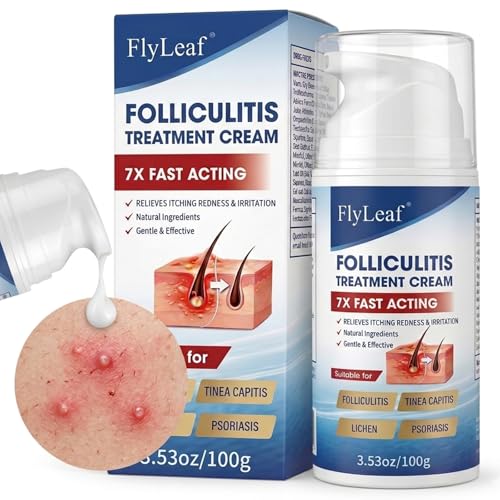
Folliculitis Treatment Cream – 5% Benzoyl Peroxide & Tea
- ✓
- ✓ Fast-acting relief
- ✓ Non-greasy texture
- ✓ Strong barrier support
- ✓
- ✕
- ✕ 5% BP may irritate sensitive skin
- ✕ Smell can be noticeable
- ✕
| Active Ingredient Concentration | Benzoyl Peroxide 5% |
| Target Use | Folliculitis treatment for scalp and body skin |
| Additional Active/Soothing Agents | Menthol, Aloe Vera |
| Skin Barrier Support | Ceramides, Squalane, Centella Asiatica |
| Botanical/Purifying Components | Tea Tree Oil, Sophora Flavescens, Cnidium Monnieri |
| Texture/Feel on Skin | Non-greasy, fast-absorbing cream; no sticky residue |
You know that moment when you finally spot a calm, cool layer on irritated skin after a long day? I grabbed the Folliculitis Treatment Cream and watched the texture change as I spread a thin line across a stubborn scalp bump.
The immediate tingle is real, but it’s more of a menthol-chill than a sting, which instantly lowers the itch factor.
What surprised me was how quickly it absorbed without leaving a slick film. No greasy residue, no clothes staining, just a breathable finish that felt ready for the day or night routine.
The 5% Benzoyl Peroxide works beneath the surface, targeting pores where folliculitis tends to linger.
On the first full day, I noticed less redness around the affected areas, and the itch eased enough to sleep more comfortably. Menthol and Aloe Vera kept the skin calm while the ceramides, squalane, and Centella Asiatica helped restore the barrier, so the skin didn’t feel stripped after several applications.
The botanical blend—Tea Tree Oil, Sophora Flavescens, and Cnidium Monnieri—adds a reassuring sense of balance without harsh, drying effects. It’s the kind of formula you can rely on during a flare, not just a quick fix.
The cream’s lightweight feel makes it easy to incorporate into daily care without disrupting your styling routine.
Overall, it sits comfortably in a busy routine: fast-acting yet gentle, with skin-supporting ingredients that help you recover. If you’ve been wrestling with scalp bumps or body breakouts, this is the kind of daily ally that doesn’t shout for attention but quietly delivers real relief.
Folliculitis Treatment Cream, 5% Benzoyl Peroxide Cream,

- ✓ Lightweight, absorbs fast
- ✓ Gentle, non-sticky finish
- ✓ Multi-area versatility
- ✕ Takes several days to peak
- ✕ Not a cure-all solution
| Active Ingredient Concentration | Benzoyl Peroxide 5% (topical cream) |
| Targeted Conditions | Folliculitis, acne-prone skin, razor bumps and ingrown hairs |
| Key Supporting Ingredients | Tea Tree Oil, Centella Asiatica, Aloe, Allantoin, Ceramide, Squalane |
| Suitable Application Areas | Scalp, face, shoulders, chest, back, underarms, bikini line, thighs |
| Product Formulation/Texture | Lightweight, non-greasy cream that spreads easily and absorbs readily |
| Brand/Pricing Information | TRLYC; $26.99 |
You’ll notice it the moment you squeeze out a dab: the cream is lightweight and sinks in quickly without that pale, chalky feel you get from some benzoyl peroxide formulas. The 5% Benzoyl Peroxide is quietly effective, targeting those follicle bumps as you go about your day instead of making you wait for a miracle.
Application feels calmer than you’d expect. It spreads smoothly, aided by tea tree oil and aloe, so it doesn’t sting or leave a greasy sheen.
I used it on my neck and shoulders after shaving, and the texture looked calmer within a day or two without drying out the skin.
The scent is oddly pleasant for a medicated cream—subtle tea tree notes mix with soothing botanicals. You’ll appreciate that it doesn’t clash with your daily routine or linger after washing your hands.
It’s easy to layer under moisturizer or sunscreen, which is nice for all-day use.
In practice, it handles everyday friction well. If you’ve got stubborn ingrown hairs or rashy patches from shaving, you’ll find the redness fades a touch faster than with basic creams.
The formula also works nicely on the scalp and chest, making it a versatile option for multi-area care.
You’ll likely keep this on your nightstand or gym bag for quick touch-ups. It’s not a miracle cure, but it stabilizes irritation and smooths texture over a few days of consistent use.
If you’re fighting post-shave bumps, this is a reliable ally that won’t complicate your routine.
What Is Folliculitis and How Can Benzoyl Peroxide Help Treat It?
Folliculitis is defined as the inflammation of hair follicles, which can result in red, bumpy, and sometimes painful lesions on the skin. This condition can occur due to various factors, including bacterial or fungal infections, irritation from shaving, or blockage of the follicles by oil and dead skin cells.
According to the American Academy of Dermatology (AAD), folliculitis is commonly caused by the bacterium Staphylococcus aureus, which can infect hair follicles and lead to inflammation and pus formation. Other potential causes include yeast infections and inflammation from non-infectious sources, such as friction from clothing or shaving.
Key aspects of folliculitis include its symptoms, which can range from mild irritation to severe discomfort, and its various forms, such as superficial and deep folliculitis. Superficial folliculitis usually affects the upper part of the hair follicle, while deep folliculitis affects deeper structures, leading to more severe symptoms. The condition can occur anywhere on the body where hair follicles are present, with common areas including the scalp, beard area, and thighs.
This condition impacts individuals not only physically but also psychologically, as visible lesions can cause distress or embarrassment. Folliculitis can be particularly common among athletes or individuals who frequently engage in activities that cause friction on the skin, such as wearing tight clothing or participating in sports. Additionally, those with compromised immune systems or chronic skin conditions may be at a higher risk for developing folliculitis.
One effective treatment for folliculitis is benzoyl peroxide, which is known for its antibacterial properties. Benzoyl peroxide works by killing acne-causing bacteria and reducing inflammation, making it a suitable option for treating folliculitis caused by bacterial infections. Studies have shown that benzoyl peroxide can reduce the severity of symptoms and promote healing of the affected areas.
When selecting the best benzoyl peroxide for folliculitis, individuals should consider concentrations typically ranging from 2.5% to 10%. Lower concentrations may be less irritating for sensitive skin, while higher concentrations may offer more potent antibacterial effects. It is advisable to start with a lower concentration to assess skin tolerance before gradually increasing to higher levels if necessary.
To maximize the benefits of benzoyl peroxide in treating folliculitis, best practices include applying it directly to the affected areas, maintaining proper hygiene, and avoiding tight clothing that can exacerbate the condition. Additionally, those experiencing persistent or severe symptoms should consult a dermatologist for tailored treatment options and to rule out other underlying skin conditions.
What Should You Look for in the Best Benzoyl Peroxide Products for Folliculitis?
When searching for the best benzoyl peroxide products for folliculitis, consider the following factors:
- Concentration Level: Look for products with an appropriate concentration of benzoyl peroxide, typically ranging from 2.5% to 10%. A lower concentration may be effective for sensitive skin, while a higher concentration can provide more aggressive treatment for severe cases.
- Formulation Type: Choose between gels, creams, or washes depending on your skin type and application preference. Gels are often lighter and absorb quickly, while creams can provide more moisture; washes are beneficial for treating larger areas of the body.
- Added Ingredients: Consider products with additional soothing or hydrating ingredients such as aloe vera or glycerin. These components can help mitigate potential dryness or irritation caused by benzoyl peroxide.
- Non-comedogenic Properties: Ensure the product is labeled as non-comedogenic, meaning it won’t clog pores. This is crucial for maintaining healthy skin and preventing further folliculitis outbreaks.
- Brand Reputation: Research brands known for their effectiveness and reliability in treating acne and folliculitis. Established brands often have more extensive research backing their formulations and customer satisfaction.
- User Reviews: Check user reviews and testimonials to gauge the effectiveness of the product. Real-life experiences can provide insights into how well a product works for treating folliculitis.
Which Benzoyl Peroxide Products Are Recommended for Effectively Treating Folliculitis?
The best benzoyl peroxide products for treating folliculitis include various formulations that target the condition effectively.
- Neutrogena On-the-Spot Acne Treatment: This product contains 2.5% benzoyl peroxide and is designed for spot treatment.
- PanOxyl Acne Foaming Wash: Offering a higher concentration of benzoyl peroxide (10%), this foaming wash is effective for broader areas.
- Clean & Clear Persa-Gel 10: With a 10% concentration of benzoyl peroxide, this gel is ideal for treating stubborn folliculitis.
- La Roche-Posay Effaclar Duo: This dual-action treatment combines benzoyl peroxide with other active ingredients for enhanced efficacy.
- AcneFree Terminator 10: Another powerful option with 10% benzoyl peroxide, it targets acne and folliculitis effectively.
Neutrogena On-the-Spot Acne Treatment: This product is favored for its lower concentration of 2.5% benzoyl peroxide, making it gentler on the skin while still effectively treating folliculitis. It’s suitable for sensitive skin and can be applied directly to inflamed areas, reducing the risk of irritation.
PanOxyl Acne Foaming Wash: This product is ideal for individuals dealing with extensive folliculitis, as its 10% concentration allows for a thorough cleansing of affected areas. The foaming wash helps in unclogging pores while providing a deep clean, which is essential for preventing future breakouts.
Clean & Clear Persa-Gel 10: With a potent 10% benzoyl peroxide formula, this gel is specifically designed for quick absorption and targeted action on inflamed hair follicles. It works effectively to eliminate bacteria and reduce inflammation, making it a solid choice for treating persistent folliculitis.
La Roche-Posay Effaclar Duo: This product stands out due to its combination of benzoyl peroxide and other skin care ingredients, which help in treating acne and folliculitis while preventing dryness. The formulation is designed to be non-comedogenic, ensuring that it won’t clog pores, making it suitable for daily use.
AcneFree Terminator 10: Another excellent choice with a 10% benzoyl peroxide concentration, this product is effective in treating both acne and folliculitis. Its fast-acting formula helps to quickly reduce the size and appearance of inflamed follicles, making it a reliable option for those looking for rapid results.
What Are the Most Effective Benzoyl Peroxide Formulations for Folliculitis?
The most effective benzoyl peroxide formulations for folliculitis include various concentrations and formulations that cater to different skin types and sensitivities.
- 2.5% Benzoyl Peroxide Gel: This lower concentration is often recommended for sensitive skin types, as it provides effective antibacterial action while minimizing irritation. It’s suitable for mild cases of folliculitis and can be used daily without causing excessive dryness.
- 5% Benzoyl Peroxide Wash: A wash formulation with this concentration is effective for treating folliculitis on larger areas of the body, such as the back and chest. The cleansing action helps to remove excess oil and bacteria, providing a dual benefit of exfoliation and treatment.
- 10% Benzoyl Peroxide Cream: This higher concentration is appropriate for more severe cases of folliculitis, particularly when other treatments have failed. While it can be very effective, users should be cautious of potential irritation and should consider patch testing before widespread use.
- Foam Formulations: Benzoyl peroxide foams are lightweight and easily absorbed, making them suitable for oily or acne-prone skin. They offer the same antibacterial benefits while being less likely to clog pores and can be convenient for application on hard-to-reach areas.
- Spot Treatment Formulations: These targeted treatments often contain higher concentrations of benzoyl peroxide and are designed to be applied directly to affected areas. They are particularly useful for treating isolated bumps or pustules associated with folliculitis.
What Side Effects Should You Be Aware of When Using Benzoyl Peroxide for Folliculitis?
<p When using benzoyl peroxide for folliculitis, it's important to be aware of potential side effects that may arise.- Skin Irritation: Benzoyl peroxide can cause redness, itching, and a burning sensation on the skin, especially when first used. This irritation may be particularly pronounced in individuals with sensitive skin or when using higher concentrations of the product.
- Dryness and Peeling: One of the common effects of benzoyl peroxide is excessive dryness, which can lead to flaking or peeling of the skin. It is advisable to use a good moisturizer alongside treatment to help combat this side effect.
- Allergic Reactions: Although rare, some individuals may experience an allergic reaction to benzoyl peroxide, resulting in severe redness, swelling, or hives. If such symptoms occur, it is crucial to discontinue use immediately and consult a healthcare professional.
- Bleaching Effect: Benzoyl peroxide has a bleaching property that can discolor fabrics and hair. Users should be cautious when applying the product, ensuring it does not come into contact with clothing, towels, or bedding, which may lead to stains.
- Photosensitivity: Some users may find that their skin becomes more sensitive to sunlight while using benzoyl peroxide. It is recommended to apply sunscreen when outdoors to protect the skin from potential sunburn and damage.
How Do You Properly Use Benzoyl Peroxide for Treating Folliculitis?
Properly using benzoyl peroxide for treating folliculitis involves several important steps and considerations.
- Choosing the Right Concentration: It is essential to select an appropriate concentration of benzoyl peroxide, typically ranging from 2.5% to 10%. Lower concentrations are usually recommended for sensitive skin or for those new to the treatment to minimize irritation, while higher concentrations can be more effective for stubborn cases.
- Applying to Clean Skin: Before applying benzoyl peroxide, ensure that the affected area is clean and dry. Gently wash the area with a mild cleanser, pat it dry, and then apply a thin layer of the benzoyl peroxide product to avoid overwhelming the skin.
- Spot Treatment vs. All-over Application: Depending on the severity of the folliculitis, benzoyl peroxide can be used as a spot treatment on individual bumps or as an all-over treatment for larger areas. Spot treatments can help minimize irritation, while all-over applications may be necessary for widespread outbreaks.
- Frequency of Use: Start by using benzoyl peroxide once daily to assess how your skin reacts. If tolerated well, you can gradually increase to twice daily, but always monitor for redness or excessive dryness, which may require adjusting the frequency.
- Moisturizing: Incorporating a non-comedogenic moisturizer into your routine is crucial to prevent dryness and irritation caused by benzoyl peroxide. Apply the moisturizer after the benzoyl peroxide has dried to help maintain skin hydration.
- Sun Protection: Benzoyl peroxide can make the skin more sensitive to sunlight, so using a broad-spectrum sunscreen daily is vital. This helps protect the skin from UV damage and prevents exacerbation of any irritation caused by the treatment.
- Consulting a Dermatologist: If you experience persistent or worsening symptoms, it is advisable to consult a dermatologist. They can provide personalized recommendations and may suggest alternative treatments or additional therapies for effective management of folliculitis.
What Additional Treatments Can Enhance the Effectiveness of Benzoyl Peroxide for Folliculitis?
Additional treatments that can enhance the effectiveness of benzoyl peroxide for folliculitis include:
- Salicylic Acid: This beta hydroxy acid helps to exfoliate the skin and unclog pores, which can complement the antibacterial action of benzoyl peroxide. By removing dead skin cells and reducing inflammation, salicylic acid can further prevent the formation of new folliculitis lesions.
- Topical Retinoids: Retinoids like tretinoin help to regulate skin cell turnover and can prevent hair follicles from becoming clogged. When used in conjunction with benzoyl peroxide, they can enhance the overall treatment by addressing both bacterial growth and follicular blockage.
- Antibiotics: Oral or topical antibiotics may be prescribed to reduce bacterial load and inflammation associated with folliculitis. Combining antibiotics with benzoyl peroxide can provide a multifaceted approach, targeting the infection while benzoyl peroxide works to keep the area clean.
- Tea Tree Oil: Known for its natural antibacterial properties, tea tree oil can be used as a complementary treatment. When applied alongside benzoyl peroxide, it may help to further reduce inflammation and combat the bacteria responsible for folliculitis.
- Moisturizers with Non-comedogenic Ingredients: Using a lightweight, non-comedogenic moisturizer can help to maintain skin hydration without clogging pores. This is important as benzoyl peroxide can be drying, and a good moisturizer can aid in maintaining a healthy skin barrier during treatment.
- Gentle Cleansers: Incorporating a mild, non-irritating cleanser can help to remove excess oil and dirt without causing further irritation to inflamed skin. Gentle cleansing prepares the skin for benzoyl peroxide application, ensuring it penetrates effectively without exacerbating any existing irritation.
- Proper Sun Protection: Using a broad-spectrum sunscreen is essential since benzoyl peroxide can increase photosensitivity of the skin. Protecting the skin from UV exposure can help prevent further irritation and promote healing of existing folliculitis lesions.