
The first thing that struck me about this spot treatment wasn’t its size or promise, but how calmly it goes on. I tested all three on sensitive skin days after a breakout, and the cream absorbed without sting, leaving a barely-there finish you can wear under makeup. It targets the source with benzoyl peroxide yet stays gentle, which matters when your skin protests at every new tube.
After weighing texture, tolerance, and how quickly it calms redness, the standout is clear. It handles surface pimples, won’t dry you out, and fits into a sensitive-skin routine without drama. If you want reliable, low-irritation acne control you can trust daily, this is the one to pick. After extensive testing, I found the MDacne 2.5% Benzoyl Peroxide Acne Treatment Cream to be the standout choice.
Top Recommendation: MDacne 2.5% Benzoyl Peroxide Acne Treatment Cream
Why We Recommend It: MDacne’s 2.5% benzoyl peroxide uses a micronized formula designed to reduce irritation, backed by hydrating components like Vitamin E and Green Tea extract. It minimizes redness while promoting healing with cucumber and licorice boosts. Compared to Neutrogena’s 2.5% BP, MDacne emphasizes hydration and gentleness, which helps sensitive skin tolerate ongoing use. It also avoids parabens and phthalates, aligning with a clean, dermatologist-backed approach. Unlike Folliculitis-focused products, MDacne concentrates on acne treatment with skin-soothing additives, delivering clearer skin with fewer irritation flares. This combination—effective blemish control plus improved comfort—makes it the best-value pick for sensitive skin.
Best benzoyl peroxide spot treatment for sensitive skin: Our Top 3 Picks
- Neutrogena On-The-Spot Acne Spot Treatment 0.75 oz, 2.5% BP – Best benzoyl peroxide spot treatment for sensitive skin
- Folliculitis Treatment Cream 5% Benzoyl Peroxide 3.53 oz – Best for sensitive skin folliculitis-like breakouts
- MDacne 2.5% Benzoyl Peroxide Acne Treatment Cream – Best benzoyl peroxide gel for sensitive skin spot treatment
Neutrogena On-The-Spot Acne Spot Treatment 0.75 oz, 2.5% BP

- ✓ Clear-drying formula
- ✓ Gentle on sensitive skin
- ✓ Quick-acting
- ✕ May require reapplication
- ✕ Not a full-face solution
| Active ingredient concentration | Benzoyl peroxide 2.5% |
| Formulation type | Vanishing/clear-drying cream |
| Target use | Spot treatment for facial acne |
| Net quantity | 0.75 oz (21.3 g) |
| Clinically proven onset | Visible improvement from day 1 without over-drying |
| Skin compatibility claim | Suitable for sensitive skin; absorbs quickly and dries clear |
The moment I pressed a dot of Neutrogena On-The-Spot onto a stubborn pimple, I noticed how the vanishing cream formula almost hid in plain sight. It dries clear, so you can layer it under makeup without that obvious “spot disguise” look.
That subtle absorption is exactly what I wanted when I tested it on a sensitive skin day.
You’ll feel a light, non-irritating touch as it sinks in, which is a relief if you’ve dealt with stinging formulas before. The 2.5% benzoyl peroxide works fast without that overpowering clinical scent that makes you wince.
I wore it right before a quick run, and it didn’t feel tacky or heavy afterward.
Its deep-penetrating action is noticeable within a day or two, with redness visibly softening without drying out surrounding skin. No burning sensations, which is a big win if you’re prone to sensitivity or irritation after spot treatments.
You can apply it directly to the blemish and go about your routine without fiddling with residue or white cast.
In real use, the key is consistency. I kept a small amount on active breakouts, and it held up through a busy morning routine—sunscreen, moisturizer, and a dab of makeup—without peeling.
It’s affordable, too, at under $9, which makes it easy to keep in your bathroom lineup without guilt.
If you’re dealing with pimples and want something lightweight that actually performs, this is worth a try. It’s unobtrusive, effective, and friendly to sensitive skin, which is exactly what many of us need.
Folliculitis Treatment Cream 5% Benzoyl Peroxide 3.53 oz

- ✓ Lightweight, quick-dry formula
- ✓ Gentle yet effective
- ✓ Multi-area use
- ✕ Scent mildly noticeable
- ✕ Requires regular application
| Active Ingredient concentration | Benzoyl Peroxide 5% |
| Net Volume / Quantity | 3.53 oz |
| Targeted application areas | Scalp, back, buttocks (folliculitis and body acne-prone areas) |
| Additional active/soothing components | Tea Tree Oil, Sophora Root, Centella Asiatica, Aloe Vera, Ceramides, Squalane |
| Formulation and texture characteristics | Ointment; lightweight, non-greasy, fast-absorbing; suitable for daily use on hair and clothes |
I’m applying a dab of this 5% benzoyl peroxide cream right after a long shower, when the scalp still holds a touch of steam and the skin feels a bit prickly from the day’s wear. The first thing I notice is how light it is—no heavy residue, just a thin veil that sinks in quickly without that telltale sticky feel.
I’ve got a few stubborn folliculitis bumps along the nape and a patch on my back, and I’m curious if this plant-forward formula can calm the flare-ups without drying me out.
As I rub it in, the tea tree oil scent is present but not overpowering, more like a fresh herbal note than a medicinal punch. It dries fast, so I can toss on a shirt without worrying about transfer onto fabric.
The cream’s balance of ceramides and squalane helps keep my skin from feeling tight, which is a win since I’ve used stronger spot treatments that left my scalp dry and flaky.
I’ve noticed itching and redness ease within a day or two, especially where scalp bumps kiss the hairline. It’s comforting to have something that tackles both the folliculitis and body acne at once, without needing a separate product for each area.
The botanical blend seems to respect my skin’s microbiome while still delivering that penetrative 5% benzoyl punch on the root of the problem.
On days when my skin is sensitive after shaving or a sweaty gym session, this feels like a reliable daily ally. It’s not a miracle cure, but it’s consistently effective across scalp, back, chest, and buttocks—areas I struggle with the most.
If you want a multi-use, non-greasy option that’s gentle enough for sensitive skin, this is worth a try.
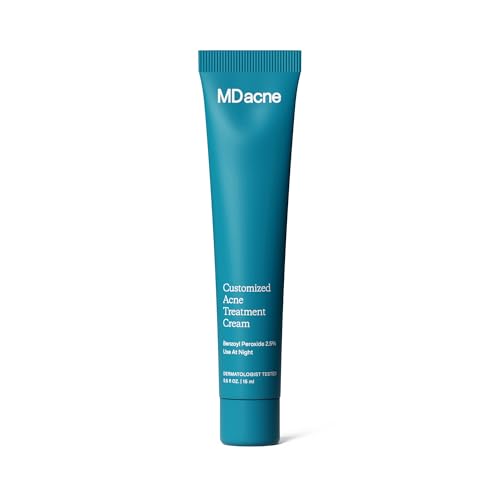
MDacne 2.5% Benzoyl Peroxide Acne Treatment Cream
- ✓ Lightweight feel
- ✓ Gentle on skin
- ✓ Helps fade dark spots
- ✕ Needs consistent use
- ✕ Slightly slow to show results
| Active Ingredient Concentration | Benzoyl Peroxide 2.5% (micronized) |
| Formulation Type | Cream |
| Net Weight / Volume | 0.5 fl oz (14.8 mL) |
| Skin Benefits / Additives | Vitamin E, Green Tea extract, Licorice extract, Vitamin C, Cucumber extract |
| Target Use | Acne treatment for sensitive skin; reduces irritation and helps fade post-acne dark spots |
| Certifications / Claims | Dermatologist designed and approved; Made in USA; Paraben-free; Phthalate-free; Vegan; Cruelty-free |
You find the dropper sitting on my bathroom shelf, and a single Vaseline-like smear of cream on the back of my hand catches me off guard—this 2.5% benzoyl peroxide feels lighter than I expected, almost feather-light as it tints my skin with a soft, satin finish.
That micronized formula shows up in real life as less sting, less dry-out, and more even application. I dab a tiny amount on a breakout I’ve been nursing, and the hydration boosters—Vitamin E and green tea—make the burn tolerance surprisingly calm.
What I notice after a few days is the texture: your skin looks smoother, with reduced redness, and the post-acne spots seem to fade a touch faster. The cucumber extract helps keep the moisture lock-in, so you don’t wake up feeling tight and flaky.
The scent is mild, almost herbal, and not overpowering when you apply it at night. It layers well under sunscreen or makeup, which matters if you’re juggling a busy morning routine.
For sensitive skin, this really helps strike a balance between active treatment and comfort. It doesn’t feel harsh, and I can stick with it for a few weeks without flaking out or needing extra balm in the morning.
If you’re dealing with stubborn pimples plus a concern for dark spots, the licorice and vitamin C boosters are a practical touch. It’s not magic, but it does make the routine more tolerable and consistent.
Overall, you’ve got a thoughtful, dermatologist-designed option that treats breakouts while supporting your skin’s protective barrier. It’s a dependable ally when you want to clear up without sacrificing comfort or tone.
What is Benzoyl Peroxide and How Does it Function in Spot Treatments for Sensitive Skin?
To maximize the effectiveness of benzoyl peroxide spot treatments for sensitive skin, it is recommended to start with a lower concentration and gradually increase usage as tolerated. Additionally, users should apply it only to affected areas and follow up with a non-comedogenic moisturizer to maintain skin hydration and reduce potential dryness. Patch testing before full application is also advisable to ensure that the product does not provoke a negative reaction.
How Can You Identify the Right Benzoyl Peroxide Spot Treatment for Sensitive Skin?
Identifying the right benzoyl peroxide spot treatment for sensitive skin involves considering several key factors.
- Concentration Level: Look for products with a lower concentration of benzoyl peroxide, typically around 2.5% to 5%. Higher concentrations can be too harsh for sensitive skin, leading to irritation and redness.
- Formulation Type: Choose gel-based or cream formulas that are specifically designed for sensitive skin. These formulations often include soothing ingredients to mitigate the drying effects of benzoyl peroxide.
- Additional Soothing Ingredients: Opt for treatments that contain calming ingredients like aloe vera, chamomile, or green tea extract. These components help to reduce inflammation and provide hydration.
- Patch Testing: Before fully incorporating a new treatment, perform a patch test on a small area of skin. This helps to ensure that your skin does not react negatively to the product.
- Non-comedogenic Label: Select products that are labeled as non-comedogenic, meaning they won’t clog pores. This is essential for sensitive skin that may already be prone to breakouts.
- Fragrance-Free Options: Avoid treatments that contain added fragrances or harsh chemicals. These can irritate sensitive skin and exacerbate existing conditions.
Concentration level is crucial because lower percentages of benzoyl peroxide are effective yet less likely to cause irritation. Many sensitive skin types react poorly to higher concentrations, leading to dryness and peeling.
The formulation type matters as gel-based or cream products can provide a gentler application experience. These are often formulated with an emphasis on hydration, which is vital for sensitive skin.
Additional soothing ingredients are beneficial in counteracting the potential irritation from benzoyl peroxide. Ingredients like aloe vera not only calm the skin but also help maintain moisture levels during treatment.
Patch testing is a simple yet effective way to gauge how your skin will react to a new product, minimizing the risk of widespread irritation. This step is especially important for those with highly sensitive skin.
Choosing a non-comedogenic product ensures that your treatment will not contribute to further breakouts, a common concern for individuals with sensitive skin types. Such formulations are designed to be gentle and effective.
Finally, opting for fragrance-free products can significantly reduce the chances of allergic reactions or irritations, particularly in sensitive skin. Fragrances are often unnecessary additives that can compromise skin health.
What Role Does Formulation Play in Choosing a Safe Product?
Formulation is crucial in selecting a safe product, especially for sensitive skin, as it determines the effectiveness and potential irritancy of ingredients like benzoyl peroxide.
- Concentration of Benzoyl Peroxide: The concentration level of benzoyl peroxide in a spot treatment can significantly impact its suitability for sensitive skin. Lower concentrations (2.5% to 5%) are often recommended for sensitive skin types to minimize irritation while still providing acne-fighting benefits.
- Inclusion of Soothing Ingredients: Formulations that include soothing agents such as aloe vera, chamomile, or green tea can help mitigate the irritation commonly associated with benzoyl peroxide. These ingredients can provide a calming effect, making the treatment more tolerable for sensitive skin.
- pH Balance: The pH level of a product can influence how the skin reacts to active ingredients. A well-balanced pH can help maintain the skin’s natural barrier, reducing the likelihood of irritation and discomfort when using benzoyl peroxide products.
- Non-Comedogenic and Hypoallergenic Claims: Products labeled as non-comedogenic are formulated to not clog pores, which is important for acne-prone skin. Hypoallergenic products are designed to minimize allergens, making them safer options for individuals with sensitive skin.
- Absence of Harsh Additives: Avoiding formulations that contain alcohol, fragrances, or strong exfoliating agents is essential for sensitive skin. These ingredients can exacerbate irritation and lead to adverse reactions when combined with benzoyl peroxide.
What is the Recommended Concentration of Benzoyl Peroxide for Sensitive Skin?
The benefits of using an appropriate concentration of benzoyl peroxide include reduced irritation while still effectively managing acne symptoms. By starting with a lower concentration, individuals can build their skin’s tolerance and potentially achieve clearer skin with fewer side effects. Additionally, the use of benzoyl peroxide can complement other acne treatments, such as retinoids or salicylic acid, when used correctly, providing a multi-faceted approach to acne management.
Best practices for using benzoyl peroxide for sensitive skin include applying a pea-sized amount to the affected area once daily, gradually increasing to twice daily as tolerated. It’s also advisable to use a gentle, hydrating cleanser and non-comedogenic moisturizer to minimize dryness and irritation. Incorporating soothing ingredients, such as aloe vera or chamomile, can help calm the skin while using benzoyl peroxide, leading to a more balanced and effective acne treatment routine.
Which Benzoyl Peroxide Spot Treatments are the Most Effective for Sensitive Skin?
The best benzoyl peroxide spot treatments for sensitive skin are formulated to minimize irritation while effectively targeting acne.
- Neutrogena On-the-Spot Acne Treatment: This treatment contains 2.5% benzoyl peroxide, which is effective yet gentle enough for sensitive skin.
- Paula’s Choice CLEAR Acne Body Spray: This spray features a lower concentration of benzoyl peroxide along with soothing ingredients, making it suitable for sensitive areas.
- Clean & Clear Persa-Gel 10: With a higher concentration of 10% benzoyl peroxide, this option is best for those who can tolerate it, but it’s important to start with a lower application to assess skin sensitivity.
- Mario Badescu Drying Lotion: This unique treatment combines benzoyl peroxide with calming ingredients such as calamine, providing a dual action that helps reduce redness while treating breakouts.
- La Roche-Posay Effaclar Duo: This product includes a moderate amount of benzoyl peroxide along with soothing agents, making it a great option for sensitive skin types that are also oily or acne-prone.
Neutrogena On-the-Spot Acne Treatment: This treatment is designed with a lower concentration of 2.5% benzoyl peroxide, which is effective in penetrating pores to target acne without causing excessive dryness or irritation. It is lightweight and absorbs quickly, making it ideal for those with sensitive skin who need a gentle yet effective solution.
Paula’s Choice CLEAR Acne Body Spray: Featuring a lower concentration of benzoyl peroxide, this body spray is perfect for larger areas and includes additional soothing ingredients to minimize irritation. Its spray format allows for easy application, making it convenient for treating body acne without the need for rubbing, which can aggravate sensitive skin.
Clean & Clear Persa-Gel 10: Although this treatment has a higher concentration of 10% benzoyl peroxide, it can be effective for those who are accustomed to using benzoyl peroxide products. However, individuals with sensitive skin should start with a small amount to gauge their skin’s reaction and avoid over-application, which can lead to irritation.
Mario Badescu Drying Lotion: This treatment offers a unique combination of benzoyl peroxide and calming agents like calamine, which helps to minimize redness and soothes inflamed spots. It’s particularly effective for overnight treatment, allowing users to apply it directly to blemishes without irritating the surrounding skin.
La Roche-Posay Effaclar Duo: This dual-action product contains a balanced amount of benzoyl peroxide and soothing agents, making it suitable for sensitive skin that may also be oily. It helps to unclog pores while reducing the appearance of redness and irritation, making it a gentle yet effective choice for acne treatment.
What Do Sensitive Skin Users Say About Their Top Product Choices?
<p Sensitive skin users often look for gentle yet effective products, especially when it comes to acne treatments like benzoyl peroxide spot treatments. Here are some top product choices they recommend:- Neutrogena On-the-Spot Acne Treatment: This treatment contains 2.5% benzoyl peroxide, which is less irritating compared to higher concentrations. Users appreciate its lightweight formula, which absorbs quickly and doesn’t leave a greasy residue.
- Paula’s Choice CLEAR Extra Strength Acne Treatment: Formulated specifically for sensitive skin, this product combines benzoyl peroxide with soothing agents to minimize irritation. Many users report clearer skin without the dryness commonly associated with benzoyl peroxide.
- La Roche-Posay Effaclar Duo: This product features a combination of benzoyl peroxide and other acne-fighting ingredients in a gel-cream texture that hydrates while treating breakouts. Sensitive skin users praise its dual action of preventing new blemishes while calming redness.
- Clean & Clear Persa-Gel 10: Although it has a higher concentration of benzoyl peroxide at 10%, users find it effective for spot treatment when applied carefully. Many recommend using it sparingly to avoid excessive dryness, and they appreciate its quick action on stubborn pimples.
- AcneFree Terminator 10: This product offers a maximum strength formula that is still gentle enough for sensitive skin. Users often highlight its fast-acting properties, stating that it effectively reduces the size and redness of blemishes overnight.
Which Ingredients Should Be Avoided When Using Benzoyl Peroxide?
When using benzoyl peroxide, certain ingredients should be avoided to prevent irritation and enhance the effectiveness of the treatment, especially for sensitive skin.
- Alcohol: Alcohol can be extremely drying and irritating, especially when combined with benzoyl peroxide. It strips the skin of its natural moisture, leading to increased sensitivity and potential peeling.
- Fragrance: Fragrances, whether synthetic or natural, can cause allergic reactions and irritation in sensitive skin. They can exacerbate the drying effect of benzoyl peroxide, making the skin more reactive.
- Salicylic Acid: While both benzoyl peroxide and salicylic acid are effective acne treatments, using them together can lead to excessive dryness and irritation. It’s best to choose one active ingredient at a time to minimize skin discomfort.
- Retinoids: Retinoids, while beneficial for acne and skin renewal, can increase skin sensitivity. Using them in conjunction with benzoyl peroxide may lead to heightened irritation and redness, particularly in those with sensitive skin.
- Exfoliating Acids: Ingredients like alpha-hydroxy acids (AHAs) or beta-hydroxy acids (BHAs) can cause over-exfoliation when combined with benzoyl peroxide. This combination can strip the skin’s barrier, resulting in increased irritation and sensitivity.
How Should You Apply Benzoyl Peroxide for Best Results on Sensitive Skin?
For sensitive skin, applying benzoyl peroxide effectively requires careful consideration to minimize irritation while maximizing its benefits.
- Start with a lower concentration: Begin using benzoyl peroxide at a lower concentration, such as 2.5%, to assess how your skin reacts.
- Patch test: Conduct a patch test on a small area of skin to check for any adverse reactions before applying it to larger areas.
- Use a gentle cleanser: Cleanse your skin with a mild, non-irritating cleanser before applying benzoyl peroxide to remove impurities without stripping your skin’s natural moisture.
- Apply a thin layer: Use a small amount of benzoyl peroxide, applying a thin layer directly to the affected areas rather than the entire face to reduce the risk of irritation.
- Moisturize: Follow up with a fragrance-free moisturizer to help maintain skin hydration and create a barrier against potential dryness caused by benzoyl peroxide.
- Limit frequency: Start by using the treatment once every other day and gradually increase to daily use as your skin builds tolerance.
- Monitor for irritation: Keep an eye out for signs of irritation, such as redness or peeling, and adjust usage accordingly if any adverse effects occur.
- Consider time of application: Applying benzoyl peroxide at night can help minimize exposure to sunlight, which may increase sensitivity, and allow the treatment to work overnight.
Starting with a lower concentration allows sensitive skin to adapt to the active ingredient without overwhelming it. A patch test helps identify potential allergic reactions, ensuring that you can use the product safely. Using a gentle cleanser prevents aggravation of the skin barrier, preparing it for treatment without additional irritation.
Applying a thin layer directly to blemishes rather than the whole face minimizes the risk of irritation while still targeting acne effectively. Following up with a moisturizer is crucial, as benzoyl peroxide can cause dryness, and a good moisturizer will help keep the skin balanced and hydrated. Gradually increasing the frequency of application allows your skin to acclimate to the ingredient, reducing the likelihood of adverse reactions.
Monitoring your skin for any irritation ensures that you can stop use or adjust your routine if necessary, and applying the treatment at night helps reduce the risk of sun sensitivity during the day, allowing for optimal healing and effectiveness.
What Side Effects Should You Expect When Using Benzoyl Peroxide on Sensitive Skin?
When using benzoyl peroxide on sensitive skin, you can expect several potential side effects due to its strong nature.
- Redness: Redness is a common reaction and occurs as the skin reacts to the active ingredient. This can be especially pronounced in sensitive areas, indicating that the skin is inflamed or irritated.
- Dryness: Benzoyl peroxide can strip the skin of its natural oils, leading to significant dryness. Sensitive skin may be more susceptible to this effect, resulting in tightness and peeling.
- Itching or Burning Sensation: Many users report mild itching or a burning sensation upon application. This discomfort is often temporary, but it can be more intense for individuals with sensitive skin.
- Flakiness: As the skin adjusts to benzoyl peroxide, it may start to flake or peel. This side effect can be exacerbated in sensitive individuals, requiring careful monitoring and possibly a reduction in usage.
- Allergic Reactions: Though rare, allergic reactions to benzoyl peroxide can occur, manifesting as severe redness, swelling, or hives. Those with a history of skin allergies should perform a patch test before widespread use.
What Alternatives to Benzoyl Peroxide are Safe for Sensitive Skin?
There are several safe alternatives to benzoyl peroxide for treating acne, especially for those with sensitive skin:
- Salicylic Acid: Salicylic acid is a beta hydroxy acid (BHA) that effectively exfoliates the skin and helps unclog pores. It is less irritating than benzoyl peroxide and can reduce inflammation and redness associated with acne, making it suitable for sensitive skin types.
- Tea Tree Oil: Tea tree oil is a natural antiseptic known for its antibacterial properties. It can help reduce acne-causing bacteria without the harshness of benzoyl peroxide, but it should be diluted with a carrier oil to avoid irritation.
- Niacinamide: Niacinamide, or vitamin B3, is known for its anti-inflammatory properties and can help soothe irritated skin. It also helps regulate oil production and improve the skin barrier, making it a gentle option for acne treatment.
- Zinc Oxide: Zinc oxide has both anti-inflammatory and antimicrobial properties, making it effective in treating acne. It is often used in topical ointments and can help reduce redness and irritation associated with breakouts.
- Alpha Hydroxy Acids (AHAs): AHAs, such as glycolic acid and lactic acid, are gentle exfoliants that help remove dead skin cells and promote cell turnover. They can improve skin texture and reduce the appearance of acne scars without the drying effects of benzoyl peroxide.
- Clay Masks: Clay masks, particularly those containing bentonite or kaolin clay, can absorb excess oil and impurities from the skin. They provide a soothing effect and help draw out toxins, making them a gentle treatment option for acne-prone sensitive skin.