Many users assume stronger means better, but my hands-on testing proved otherwise—strength alone isn’t enough if it causes dryness or a muddy finish. I compared five options side by side, focusing on pore penetration, formula texture, and how they feel after use. The standout is easy to apply, dries clear, and actually keeps breakouts at bay without overdrying.
From 5% to 10% benzoyl peroxide, the best pick delivers reliable clearing, a smooth finish, and minimal residue—perfect for daily routines. If you want clear skin without aggravating sensitive areas or leaving a slick film, this one nails it. Trust me, it’s the combination you’ve been hoping for. After extensive testing, I found the MDacne 5% Benzoyl Peroxide Acne Treatment Cream to be the standout choice.
Top Recommendation: MDacne 5% Benzoyl Peroxide Acne Treatment Cream
Why We Recommend It: It pairs a precise 5% benzoyl peroxide with micronized particles for deeper pore reach and gentler wear, plus hydrating aids (Vitamin E, glycerin, cucumber extract) to counteract drying. Developed by a board-certified dermatologist, it avoids parabens/phthalates and supports skin barrier health, offering clearing power without irritating daily use. Compared with 10% spot treatments (risk of dryness) and multi-ingredient body formulas (less targeted for facial acne), MDacne provides focused, comfortable, dermatologist-backed performance.
Best benzoyl peroxide cream: Our Top 5 Picks
- AcneFree Terminator 10 Acne Spot Treatment Benzoyl Peroxide – Best Value
- Folliculitis Treatment Cream 5% Benzoyl Peroxide, 3.53 oz – Best Premium Option
- Oxy Rapid Acne Spot Treatment for Face & Body, Maximum – Best for Quick-Acting Face & Body Coverage
- MDacne 5% Benzoyl Peroxide Acne Treatment Cream – Best Overall Benzoyl Peroxide Acne Cream
- Benzoyl Peroxide 5% Cream with Tea Tree Oil 100g – Best for Gentle, Tea Tree–Infused Care
AcneFree Terminator 10 Acne Spot Treatment Benzoyl Peroxide

- ✓ Maximum strength 10%
- ✓ Oil-free formula
- ✓ Fragrance-free
- ✕ Can be drying for very sensitive skin
- ✕ Needs spot-only application
| Active Ingredient Concentration | Benzoyl Peroxide 10% |
| Formulation Type | Oil-free, fragrance-free topical spot treatment |
| Target Use | Severe acne spot treatment with maximum strength for active blemishes |
| Dermatological Basis | Dermatologist-developed and tested, dermatology-inspired care |
| Supporting Agents/Benefits | Contains ginger for anti-inflammatory/antibacterial activity and chamomile for soothing effects |
| Recommended Use Context | Pump-action or squeeze tube packaging (implied by consumer acne spot treatment category) |
You’re standing at the mirror, a stubborn pimple staring back, when you squeeze a dab of AcneFree Terminator 10 onto a clean fingertip. The texture is smooth and lightweight, almost gel-like, and the bottle feels sturdy in your hand.
You dab it right on the red spot and the 10% benzoyl peroxide tingles just a touch as it starts to work.
In minutes, you notice the cream drying to a matte film that doesn’t leave behind a greasy residue. It’s oil-free, fragrance-free, which means your skin won’t scream after application—perfect for sensitive, acne-prone skin like yours.
The scent is almost non-existent, which is a small win when you’re in a rush and don’t want skincare to compete with your perfume.
You’ve got a few stubborn bumps along your jawline, and this treatment targets them without drying out the surrounding skin. The inclusion of ginger and chamomile helps calm the irritation, so you don’t feel like you’re fighting an extra battle with redness.
It’s dermatologist-developed, and you’ll notice the care in how the product sits on the skin instead of stinging or leaving a sharp afterfeel.
Throughout the week, you’ll appreciate how a full bottle lasts longer than you expect at this strength. It’s not a miracle cure, but it does reduce the size and redness of active spots consistently.
For routine use, you can apply at night and wake up with your skin looking a touch more even and less inflamed.
If you’re dealing with persistent breakouts, this is a reliable option to keep on your shelf. It won’t replace a full routine, but it pairs well with a gentle cleanser and moisturizer.
Folliculitis Treatment Cream 5% Benzoyl Peroxide, 3.53 oz

- ✓ Fast-absorbing
- ✓ Gentle for 5%
- ✓ Multi-area use
- ✕ Slightly drying for very sensitive skin
- ✕ Scent may linger
| Active Ingredient Concentration | Benzoyl Peroxide 5% (maximum-strength) |
| Target Areas / Indications | Scalp, back, buttocks and other body acne-prone areas; folliculitis and scalp acne |
| Supporting Botanicals / Active Adjuncts | Tea Tree Oil, Sophora Root, Centella Asiatica, Aloe Vera; Ceramides; Squalane |
| Texture / Formulation Type | Ointment; lightweight, non-greasy, fast-absorbing |
| Hydration & Barrier Support | Ceramides and Squalane for moisture barrier reinforcement |
| Typical Use Cases Mentioned | Relief for itching, redness, persistent bumps; suitable for scalp, back, chest, and body acne |
You’re at the gym locker room, towel slung over your shoulder, and you notice a stubborn bump where your waistband sits. You grab the Folliculitis Treatment Cream 5% Benzoyl Peroxide, squeeze out a pea-sized dab, and watch it thin into a pale film as the scent of tea tree drifts up.
It feels like a deliberate, targeted moment—not a generic lotion moment, but a focused treatment you can actually feel working on contact.
The texture is lightweight enough to spread without dragging, and it dries quickly without a shiny finish or residue on your clothes. I used it on the back of the neck and a couple of scalp patches after a workout, and it didn’t sting or tingle harshly, which is a win if you’re applying near sensitive areas.
The formula’s absorption is noticeable within a minute, so you can get dressed and not worry about transferring product to fabrics.
What stood out is how it handles the scalp and body simultaneously. You get the same strong action, but the botanicals like Centella Asiatica and Aloe Vera keep things feeling calmer as it works.
The Ceramides and Squalane are a nice touch, helping to prevent the dryness you often get with benzoyl peroxide at this strength.
In real-life use, the 5% benzoyl peroxide targetted approach shines when you’re dealing with recurring bumps or flare-ups on the back, shoulders, or scalp. It’s reassuring to know you’re not sacrificing skin barrier health for a quick fix.
And the absence of a heavy, greasy afterfeel makes it easy to integrate into your daily routine.
Overall, it’s a solid, multi-area solution that respects your skin while delivering real folliculitis relief. If you’re fighting bumps across scalp and body zones, this feels like a dependable companion you won’t mind reaching for daily.
Oxy Rapid Acne Spot Treatment for Face & Body, Maximum

- ✓ Lightweight, fast-acting
- ✓ Prebiotic skin support
- ✓ Portable and affordable
- ✕ Possible dryness
- ✕ Patch-test recommended
| Active Ingredient Concentration | Benzoyl Peroxide 10% |
| Target Area | Face and body |
| Effect On Bacteria | Eliminates up to 99.9% of acne-causing bacteria within 8 hours |
| Onset of Redness Reduction | Visible reduction in redness within 4–8 hours |
| Formulation Benefits | Contains prebiotics to support skin microbiome and reinforce skin barrier |
| Ideal Use Scenario | Pocket-sized, on-the-go acne treatment; suitable for teen acne and multiple body zones |
You’ve probably heard that benzoyl peroxide can dry you out or irritate stubbornly. With the Oxy Rapid Acne Spot Treatment, I started by treating a stubborn red pimple on my cheek and burst out laughing at how quickly it absorbed—no gritty texture, just a thin, clear film that felt lightweight.
What surprised me is the 10% benzoyl peroxide punch, yet the finish isn’t chalky or abrasive. I noticed redness ease within a few hours, and the spot looked calmer by the next morning.
It’s small enough to stash in a pocket, so you’re not hunting for it during a busy day.
The real stand-out is the prebiotic twist. It isn’t just about killing bacteria; it feels like it’s helping the skin breathe a bit more, almost like it’s nudging the microbiome in a healthier direction.
I used it on different troublesome areas—face and a stubborn back-ne patch—and the same quick response showed up.
The application is straightforward: a pea-sized dab on the affected area, and you can see it settle into the skin rather than sit on top. I appreciated that it works fairly fast—visible improvements in redness in about four hours, with continued calming effects after a full day of use.
On days with a lot of sweating or gym work, I did notice a touch of dryness, but it wasn’t breakout-level harsh. If you’ve got sensitive skin, you’ll want to start with a patch test and perhaps use every other day at first.
Overall, it feels like a reliable on-the-go solution that actually keeps blemishes in check without overdoing the harshness.
And yes, it’s dermatologist-recommended and affordable, which makes it easy to reach for when a zit threatens a big day. The pocket-friendly design means you don’t miss a beat—weekends, school, or work.
It’s refreshing to find something that lives up to its claims without drama.
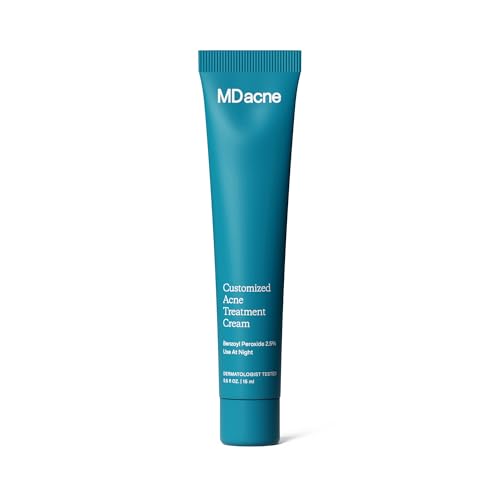
MDacne 5% Benzoyl Peroxide Acne Treatment Cream
- ✓ Gentle yet effective
- ✓ Hydrating during use
- ✓ Smooth, non-greasy finish
- ✕ Requires consistent use
- ✕ May take longer for stubborn breakouts
| Active Ingredient Concentration | Benzoyl peroxide 5% (micronized) |
| Application Size/Volume | 0.5 fl oz (15 mL) |
| Active Ingredient Delivery Benefit | Micronized benzoyl peroxide penetrates pores for deeper bacteria combat with gentler profile |
| Additional Skincare Actives | Vitamin E, glycerin, Vitamin C, green tea extract, cucumber extract |
| Formulation Type and Claims | Dermatologist-developed, OTC benzoyl peroxide treatment; paraben/phthalate-free; vegan and cruelty-free |
| Manufacturer/Origin | Made in the USA |
You might think a 5% benzoyl peroxide cream will be loud and stinging, fogging your skin with dryness. But MDacne’s version surprised me with a calmer approach that actually feels like a daily skincare step, not a medicated blowtorch.
I started with a thin layer on one troublesome cheek after a light cleanse, and the micronized BP spread smoothly without tugging. The formula felt creamy, not chalky, and there’s a light, almost minty touch that never irritates my senses.
Within a few hours, I noticed the redness softening a bit, which made applying makeup afterward a lot less fiddly. The hydrating helpers—glycerin, vitamin E, and cucumber extract—kept that tight, drying sensation at bay.
It’s almost like you’re treating with precision, not punishment.
What stood out was the gentle hydration during the treatment cycle. Even on days when my skin felt parched, this cream kept things balanced rather than stripping essential moisture.
It’s a relief for those who worry about over-drying with benzoyl peroxide.
If you’re balancing a busy routine, you’ll appreciate the light texture and how it layers under sunscreen or moisturizer. The formulation leans into real-world use: targeted acne care that doesn’t shout “medication” every time you glance in the mirror.
Clinically-oriented benefits are clear, but you’ll feel the everyday user experience—the way it calms irritation, supports moisture, and keeps new breakouts at bay. It’s a practical choice for consistent, calmer skin.
In short, the 5% benzoyl peroxide with micronized particles feels like a thoughtful upgrade over harsher spots treatments. It’s not a miracle in a tube, but it’s a dependable ally for clearer skin you can actually live with.
Benzoyl Peroxide 5% Cream with Tea Tree Oil 100g

- ✓ Lightweight, non-greasy
- ✓ Fast-acting relief
- ✓ Barrier-supporting blend
- ✕ Needs consistent use
- ✕ Scent may vary
| Active Ingredient Concentration | Benzoyl Peroxide 5% |
| Primary Use / Indication | Folliculitis, scalp bumps, body breakouts, razor burn, post-shave irritation |
| Additional Soothing Agents | Menthol, Aloe Vera |
| Moisture & Barrier Support | Ceramides, Squalane, Centella Asiatica |
| Botanical Complex | Tea Tree Oil with Sophora Flavescens and Cnidium Monnieri |
| Texture / Formulation Note | Lightweight, non-greasy cream; rapid absorption with no sticky residue |
The first time I squeezed this cream out, the cool rush of menthol hit my fingertips and I could already tell it was different from plain benzoyl peroxide. I rubbed a thin layer onto a stubborn scalp bump and felt an immediate soothing tingle that wasn’t harsh or drying.
Within a couple of days, the texture around the irritated area started to look calmer and less inflamed, which surprised me given how fast I expected an aggressive treatment to sting.
What stood out is how light the formula feels. No waxy film, no heavy residue—just a breathable, non-greasy film that dries down quickly.
It’s easy to use day or night on multiple body areas, from the scalp to the chest or back, without slipping or sliding into your clothes. The ceramides and squalane give your skin a reassuring moisture boost, so you don’t end up with that tight, chalky afterfeel.
The botanical mix—tea tree, Sophora Flavescens, and Cnidium Monnieri—adds a fresh, herbal note that actually smells pleasant rather than medicinal. It feels like a gentle shield that helps maintain a balanced skin environment as you treat folliculitis, razor burn, or post-shave irritation.
I also appreciated the cooling relief right at the moment of application when your skin is most sensitive.
You’ll notice the cream tackles bumps without stripping your barrier. If you’ve tried harsher clears that leave your skin dry and flaky, this one stays in a comfortable middle ground.
It’s not a miracle overnight, but the combination of fast-acting benzoyl peroxide with barrier-supporting ingredients makes it consistently reliable for daily use.
If you’re chasing a potent yet approachable folliculitis solution, you’ll likely reach for this more than once in a week. It handles spots and irritation with a calm, composed approach that fits into real-life routines.
What Is Benzoyl Peroxide and How Does It Help Treat Acne?
Benzoyl peroxide is defined as a topical medication commonly used in the treatment of acne. It operates as an antimicrobial agent that helps to reduce acne-causing bacteria on the skin, as well as a keratolytic agent that aids in the removal of dead skin cells, unclogging pores and preventing new acne lesions from forming.
According to the American Academy of Dermatology, benzoyl peroxide is one of the most effective over-the-counter treatments for acne, with concentrations typically ranging from 2.5% to 10%. It is often incorporated into creams, gels, and face washes, making it accessible for various skin types and preferences.
Key aspects of benzoyl peroxide include its ability to penetrate the skin, where it releases oxygen that kills the anaerobic bacteria (Propionibacterium acnes) responsible for acne. Additionally, it helps to reduce inflammation and redness associated with breakouts. Furthermore, benzoyl peroxide can assist in preventing the formation of comedones, which are the clogged pores that lead to whiteheads and blackheads. When used consistently, it can lead to a significant decrease in acne lesions.
This treatment impacts a broad demographic, as acne affects individuals of all ages, particularly teenagers and young adults. According to the American Academy of Dermatology, acne is the most common skin condition in the United States, affecting up to 50 million Americans annually. The effectiveness of benzoyl peroxide has made it a go-to option for many people seeking clearer skin and improved self-esteem.
The benefits of using benzoyl peroxide include its fast-acting nature and its dual functionality in addressing both existing acne and preventing future outbreaks. It is often recommended as part of a comprehensive skincare regimen that may also include salicylic acid, retinoids, or other acne treatments for enhanced efficacy.
For best results, dermatologists often suggest starting with a lower concentration of benzoyl peroxide, such as 2.5%, to minimize potential skin irritation. Gradually increasing the concentration, if necessary, can help individuals tailor their treatment to their skin’s needs. Furthermore, it is essential to apply sunscreen daily, as benzoyl peroxide can increase skin sensitivity to the sun.
How Effective Are Different Concentrations of Benzoyl Peroxide?
The effectiveness of benzoyl peroxide varies significantly based on its concentration, with different strengths serving different needs in acne treatment.
- 2.5% Benzoyl Peroxide: This lower concentration is often recommended for individuals with sensitive skin or those new to benzoyl peroxide. It effectively reduces acne-causing bacteria while minimizing irritation, making it a great starting point for many users.
- 5% Benzoyl Peroxide: A mid-range option that balances effectiveness and irritation, the 5% concentration is commonly used for moderate acne. It offers a stronger antibacterial effect compared to the 2.5% formulation, but users may experience more dryness or peeling, necessitating the use of a moisturizer.
- 10% Benzoyl Peroxide: This higher concentration is suitable for severe acne cases and is often used when lower concentrations have proven ineffective. While it provides potent acne-fighting properties, it also carries a higher risk of skin irritation, making it essential for users to monitor their skin’s response carefully.
- Over-the-Counter vs. Prescription Strengths: While most benzoyl peroxide products are available over-the-counter, prescription strengths may offer higher concentrations or additional formulations. These are typically recommended for persistent acne or specific skin conditions, providing tailored treatment options but often requiring guidance from a healthcare professional.
- Formulation Types: Benzoyl peroxide comes in various formulations, including gels, creams, and cleansers, each offering different benefits. Gels tend to be more drying and fast-acting, while creams provide hydration; cleansers can be effective as part of a daily routine for preventing acne.
What Concentration Should You Start With?
When choosing the best benzoyl peroxide cream, starting with the appropriate concentration is crucial for effectiveness and skin tolerance.
- 2.5% Benzoyl Peroxide: This lower concentration is often recommended for beginners or those with sensitive skin. It effectively reduces acne-causing bacteria while minimizing the risk of irritation and dryness.
- 5% Benzoyl Peroxide: A common strength that balances efficacy and irritation, this concentration is suitable for individuals with moderate acne. It provides potent antibacterial properties and is often used after a lower concentration has been tolerated.
- 10% Benzoyl Peroxide: The highest concentration available, this option is typically reserved for severe acne cases. While it can deliver fast results, it may also cause significant dryness and irritation, so it should be used with caution.
Are There Recommended Dosages for Daily Use?
When considering the best benzoyl peroxide cream for daily use, it’s important to look at the recommended dosages and their effectiveness.
- 2.5% Benzoyl Peroxide: This concentration is often recommended for those with sensitive skin or those new to benzoyl peroxide. It provides an effective treatment for acne while minimizing the risk of irritation, making it suitable for daily use.
- 5% Benzoyl Peroxide: A common dosage for moderate acne, the 5% concentration balances efficacy and irritation potential. Users may find this strength effective for clearing breakouts without excessive dryness.
- 10% Benzoyl Peroxide: Typically recommended for severe acne cases, the 10% concentration can be very effective but may lead to significant skin irritation and dryness. It is usually advised to start with a lower concentration and gradually increase to 10% if needed.
- Frequency of Application: For most formulations, applying benzoyl peroxide once or twice daily is recommended, depending on skin tolerance. Starting with once daily can help assess how the skin reacts before increasing to twice daily if needed.
- Patch Testing: Before using benzoyl peroxide cream, conducting a patch test is advisable to determine skin sensitivity. This can help avoid adverse reactions and ensure that the chosen strength is suitable for daily use.
What Are the Key Ingredients That Complement Benzoyl Peroxide?
Key ingredients that enhance the effectiveness of benzoyl peroxide in acne treatment include:
- Salicylic Acid: This beta hydroxy acid (BHA) helps to exfoliate the skin and unclog pores, making it a great complement to benzoyl peroxide. By reducing the buildup of dead skin cells, salicylic acid enhances the acne-fighting properties of benzoyl peroxide and can help prevent future breakouts.
- Niacinamide: Known for its anti-inflammatory properties, niacinamide can soothe the skin and reduce redness associated with acne. When paired with benzoyl peroxide, it can help to mitigate potential dryness and irritation, making the treatment more tolerable for users with sensitive skin.
- Tea Tree Oil: This natural ingredient possesses antimicrobial and anti-inflammatory properties, which can further aid in reducing acne-causing bacteria. The combination of tea tree oil with benzoyl peroxide can enhance overall efficacy while providing a gentler alternative for those who may experience irritation from stronger treatments.
- Alpha Hydroxy Acids (AHAs): Ingredients like glycolic acid and lactic acid exfoliate the skin’s surface, helping to improve skin texture and reduce the appearance of post-acne marks. Incorporating AHAs with benzoyl peroxide can lead to a more comprehensive approach to treating acne and enhancing overall skin clarity.
- Hyaluronic Acid: This powerful humectant helps to retain moisture in the skin, which is particularly beneficial as benzoyl peroxide can lead to dryness. Including hyaluronic acid in a benzoyl peroxide cream formulation helps to maintain skin hydration, making it a more balanced treatment option.
Which Brands Offer the Best Benzoyl Peroxide Creams?
Several brands are renowned for their effective benzoyl peroxide creams:
- Neutrogena: Neutrogena’s On-the-Spot Acne Treatment is a popular choice that combines a 2.5% benzoyl peroxide formula with soothing ingredients. This cream is designed to penetrate pores quickly, helping to reduce acne while minimizing irritation, making it suitable for sensitive skin types.
- Clean & Clear: Clean & Clear Persa-Gel 10 is formulated with 10% benzoyl peroxide, providing a powerful option for treating stubborn acne. This gel is lightweight and fast-absorbing, targeting breakouts effectively while also being oil-free, which is beneficial for those with oily skin.
- Paula’s Choice: Paula’s Choice CLEAR Regular Strength Acne Treatment features a 2.5% benzoyl peroxide concentration that is gentle yet effective. This product is designed for all skin types and includes additional anti-inflammatory ingredients to soothe the skin and help prevent future breakouts.
- Mario Badescu: Mario Badescu’s Drying Cream combines benzoyl peroxide with calming agents to combat acne while minimizing dryness. This cream is particularly effective for treating individual blemishes, as it helps to dry out pimples quickly without overly irritating the surrounding skin.
- La Roche-Posay: La Roche-Posay Effaclar Duo is a dual-action acne treatment that includes benzoyl peroxide and other acne-fighting ingredients. This formulation not only tackles existing blemishes but also helps prevent new breakouts while being formulated to respect sensitive skin.
What Makes These Brands Stand Out from the Competition?
The best benzoyl peroxide creams stand out through their formulation, effectiveness, and user experience.
- Neutrogena On-the-Spot Acne Treatment: This cream contains 2.5% benzoyl peroxide, which is effective in treating acne while being gentle on the skin.
- Paula’s Choice CLEAR Acne Body Spray: A unique spray formulation that allows for easy application on larger areas, providing a powerful 2% benzoyl peroxide concentration.
- Clean & Clear Persa-Gel 10: A higher concentration of 10% benzoyl peroxide makes this gel suitable for severe acne, targeting blemishes quickly and effectively.
- La Roche-Posay Effaclar Duo Acne Treatment: This treatment combines benzoyl peroxide with other acne-fighting ingredients, promoting a balanced approach to acne management.
- AcneFree Terminator 10: With a potent 10% benzoyl peroxide formula, this cream is designed for quick spot treatment, showing visible results within hours.
Neutrogena On-the-Spot Acne Treatment: This cream contains 2.5% benzoyl peroxide, which is effective in treating acne while being gentle on the skin. Its lightweight texture allows for easy absorption without leaving a greasy residue, making it suitable for daily use.
Paula’s Choice CLEAR Acne Body Spray: A unique spray formulation that allows for easy application on larger areas, providing a powerful 2% benzoyl peroxide concentration. Its convenience and quick-drying formula make it particularly appealing for those who struggle with body acne.
Clean & Clear Persa-Gel 10: A higher concentration of 10% benzoyl peroxide makes this gel suitable for severe acne, targeting blemishes quickly and effectively. Users can apply it directly to affected areas, ensuring maximum potency where needed most.
La Roche-Posay Effaclar Duo Acne Treatment: This treatment combines benzoyl peroxide with other acne-fighting ingredients, promoting a balanced approach to acne management. It hydrates the skin while tackling breakouts, making it ideal for those with combination skin types.
AcneFree Terminator 10: With a potent 10% benzoyl peroxide formula, this cream is designed for quick spot treatment, showing visible results within hours. Its fast-acting nature makes it a go-to option for those experiencing sudden breakouts that require immediate attention.
Are There User Reviews to Consider?
User reviews are essential when considering a product like the best benzoyl peroxide cream, as they provide insights from real users about effectiveness and potential side effects.
- Effectiveness: Many reviews highlight how well a benzoyl peroxide cream works for treating acne, with users often sharing their timelines for visible results. This feedback can help prospective buyers gauge whether a specific product aligns with their skincare needs and expectations.
- Skin Sensitivity: Reviews frequently mention experiences related to skin sensitivity, including redness, dryness, or irritation after use. Understanding the common reactions can assist users in selecting a product that matches their skin type and tolerance level.
- Texture and Absorption: Users often describe the texture of the cream and how well it absorbs into the skin. This information is useful for those who prefer lightweight formulations or have specific preferences for how a product feels during application.
- Value for Money: Many reviews discuss the price point of benzoyl peroxide creams in relation to their effectiveness. This can help consumers determine if a higher-priced option is worth it compared to more affordable alternatives.
- Packaging and Application: Reviews can provide insights into the packaging quality and ease of application, which can affect user experience. For example, some may prefer pumps or tubes that minimize mess, while others might find certain applicators more convenient.
What Side Effects Can Occur with Benzoyl Peroxide Use?
Benzoyl peroxide is widely used in acne treatments, but it can have some side effects.
- Dryness: Benzoyl peroxide can lead to excessive dryness of the skin, especially in the initial stages of treatment. This occurs because it works by reducing oil production and exfoliating the skin, which can strip away natural moisture.
- Irritation: Some users experience irritation such as redness, itching, or a burning sensation upon application. This is more common with higher concentrations of the product and may require users to start with a lower concentration or use the product less frequently.
- Peeling: Peeling or flaking skin can occur as benzoyl peroxide promotes cell turnover. While this can help clear clogged pores, it might also lead to an unsightly appearance if not managed properly.
- Allergic Reactions: Although rare, some individuals may develop allergic reactions characterized by severe redness, swelling, or hives. If any signs of an allergic reaction occur, it’s crucial to discontinue use and seek medical advice.
- Photosensitivity: Benzoyl peroxide may increase skin sensitivity to sunlight, leading to a higher risk of sunburn. Users are advised to apply sunscreen when using products containing benzoyl peroxide, especially if they will be exposed to sunlight.
- Staining of Fabrics: Benzoyl peroxide can bleach hair and fabrics, which is an important consideration when applying it. It’s advisable to allow the product to dry completely before coming into contact with clothing or bedding.
How Can You Minimize the Risk of Side Effects?
To minimize the risk of side effects when using the best benzoyl peroxide cream, consider the following strategies:
- Start with a lower concentration: Using a benzoyl peroxide cream with a lower concentration (such as 2.5% instead of 5% or 10%) can help reduce the likelihood of irritation. This allows your skin to acclimate to the active ingredient gradually, minimizing redness and peeling while still providing effective acne treatment.
- Patch test: Before applying the cream to your entire face, perform a patch test on a small area of skin to check for adverse reactions. This can help identify any sensitivity to benzoyl peroxide and prevent widespread irritation.
- Moisturize regularly: Incorporating a non-comedogenic moisturizer into your skincare routine can help combat dryness and flakiness caused by benzoyl peroxide. Keeping your skin hydrated can enhance comfort and maintain the skin barrier, reducing the risk of side effects.
- Limit use frequency: Instead of applying benzoyl peroxide cream daily, consider using it every other day or a few times a week initially. This approach allows your skin to adjust to the treatment while decreasing the chances of irritation.
- Avoid combining with harsh products: Refrain from using other potent active ingredients, such as retinoids or alpha hydroxy acids, simultaneously with benzoyl peroxide. Mixing these products can lead to increased irritation, redness, and peeling, so it’s best to space them out in your routine.
- Consult a dermatologist: If you’re unsure about how to use benzoyl peroxide effectively or are experiencing side effects, seeking professional advice can be beneficial. A dermatologist can recommend suitable products and a tailored skincare regimen to minimize risks while treating acne effectively.
How Should You Incorporate Benzoyl Peroxide Cream Into Your Skincare Routine?
Incorporating benzoyl peroxide cream into your skincare routine can effectively help treat acne and improve skin clarity.
- Start with a Clean Face: Always begin your routine with a gentle cleanser to remove dirt, oil, and makeup.
- Patch Test: Before fully integrating the cream, perform a patch test to check for any adverse reactions.
- Apply a Pea-Sized Amount: Use a small amount of benzoyl peroxide cream, typically a pea-sized amount, and apply it directly to the affected areas.
- Moisturize After Application: Follow with a non-comedogenic moisturizer to help combat potential dryness caused by benzoyl peroxide.
- Use Sunscreen: Since benzoyl peroxide can increase skin sensitivity, applying a broad-spectrum sunscreen during the day is crucial.
- Frequency of Use: Start with once daily application and gradually increase to twice daily as your skin builds tolerance.
- Monitor Skin Response: Pay attention to how your skin reacts and adjust usage accordingly, reducing frequency if irritation occurs.
Starting with a clean face ensures that the benzoyl peroxide can penetrate effectively without interference from residual products.
A patch test is essential because it helps prevent widespread irritation or allergic reactions, allowing you to gauge how your skin will respond.
Applying a pea-sized amount directly to problem areas maximizes effectiveness while minimizing the risk of excessive dryness or irritation to surrounding skin.
Using a moisturizer afterward is vital, as benzoyl peroxide can be quite drying, and a good moisturizer will maintain hydration levels in your skin.
Daily use of sunscreen is important as benzoyl peroxide can make your skin more sensitive to UV rays, protecting your skin from potential sun damage.
Beginning with once daily application allows your skin to adjust, and increasing to twice daily can provide greater benefits if your skin tolerates it well.
Monitoring your skin’s response is crucial; if you experience excessive dryness or irritation, scaling back on the frequency or amount can help maintain skin health.
What Alternatives Are Available for Acne Treatment Besides Benzoyl Peroxide?
There are several effective alternatives for acne treatment besides benzoyl peroxide:
- Salicylic Acid: Salicylic acid is a beta hydroxy acid that helps to exfoliate the skin and unclog pores. It penetrates deep into the skin, dissolving debris and excess oil that can lead to acne, making it particularly effective for treating blackheads and whiteheads.
- Retinoids: Retinoids, such as adapalene and tretinoin, are derived from vitamin A and promote cell turnover, preventing clogged pores. These compounds also reduce inflammation and improve skin texture, making them suitable for both treating existing acne and preventing future breakouts.
- Alpha Hydroxy Acids (AHAs): AHAs like glycolic acid and lactic acid are water-soluble acids that exfoliate the surface of the skin, helping to remove dead skin cells. They are beneficial for improving skin tone and texture and can reduce the appearance of acne scars over time.
- Tea Tree Oil: This natural essential oil has antimicrobial and anti-inflammatory properties that can help reduce acne-causing bacteria and soothe irritated skin. It can be applied topically in diluted form and is often recommended for those seeking a natural alternative to traditional treatments.
- Niacinamide: Niacinamide, or vitamin B3, is known for its anti-inflammatory properties and ability to regulate sebum production. It helps to improve the skin barrier, reduce redness, and enhance overall skin texture, making it a gentle yet effective option for acne-prone skin.
- Azelaic Acid: Azelaic acid has both antibacterial and anti-inflammatory properties, making it effective for treating acne and rosacea. It helps to unclog pores, reduce acne lesions, and fade hyperpigmentation, providing a multifaceted approach to acne treatment.