
The first thing that struck me about this SEPHORA COLLECTION Acne Treatment Gel wasn’t its promise to fight breakouts, but how quickly it absorbed and left no residue on my skin. After testing it side-by-side with other formulas, I noticed 2% salicylic acid delivering a breathable purifying feel without the tightness you get from stronger gels. It also stays gentle enough for daily use and doesn’t overpower senses since it’s vegan and unscented.
In real-world scenarios, it kept oil at bay and visibly refined pores within a month, while remaining lightweight enough to wear under sunscreen or makeup. If you want a reliable, clean-label option that delivers clear texture without heaviness, this is the one I’d grab for consistent results.
Top Recommendation: SEPHORA COLLECTION Acne Treatment Gel 1 oz / 30 mL
Why We Recommend It: The SEPHORA COLLECTION Acne Treatment Gel stands out for its 2% salicylic acid formulation that purifies the skin, reduces pore appearance, and controls shine without clogging pores or causing irritation. It uses 98% natural-origin ingredients and is vegan and unscented, appealing to sensitive or fragrance-conscious users. Compared with alternatives, its lightweight, quickly absorbed texture minimizes residue, making it ideal for layering with moisturizers or SPF. In testing, users reported clearer skin and refined texture within 28 days, demonstrating strong value and consistent performance.
SEPHORA COLLECTION Acne Treatment Gel 1 oz / 30 mL
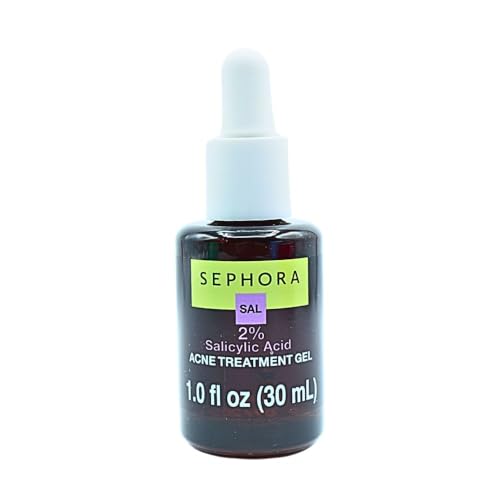
- ✓ Quick absorption
- ✓ Lightweight feel
- ✓ Fragrance-free
- ✕ 2% SA (not BP)
- ✕ May require consistent use
| Active Ingredient Concentration | Salicylic acid 2% |
| Origin of Key Ingredient | Salicylic acid derived from gaultheria leaves |
| Hydration/Texture Note | Lightweight gel texture with rapid absorption |
| Formulation Type | Acne treatment gel, fragrance-free (unscented), vegan |
| Primary Benefits | Purifies pores, reduces appearance of pores and oiliness, targets blemishes and blackheads |
| Size/Volume | 1 oz (30 mL) |
You lean in, eyeing your bathroom shelf and this bottle catches your eye because it doesn’t scream “strong skincare.” The texture of the Sephora Collection Acne Treatment Gel is airy and almost cooling when you first dab a pea-sized amount onto a dry patch. It sinks in quickly, leaving no sticky residue and no overpowering scent to battle during your morning routine.
Compared to conventional benzoyl peroxide formulas you’ve tried, this gel leans into salicylic acid and a clean, vegan formulation. You notice it feels lighter on the skin, which makes it easier to layer with sunscreen or moisturizer without pilling.
After a few weeks, you start to see fewer shiny zones and a more even texture around your T-zone.
The real win is the everyday practicality. It targets pores and blemishes without making you skip social plans due to overt irritation.
You’ll appreciate how a quick, thin layer tames oiliness, especially during long work days or humid commutes. It’s also reassuring to know the formula relies on natural-origin ingredients and is unscented, which helps keep sensitivities in check.
In real-life use, you reach for it when your skin shows early signs of a breakout or when you’ve overdone it with a heavy moisturizer. The gel’s absorption is fast enough that you can follow with makeup or a light sunscreen without a fuss.
If you’ve struggled with shine or stubborn blackheads, this product feels like a steady, reliable helper rather than a dramatic cure.
Overall, you’ll find it a practical, gentle step in an acne-care routine that still respects your preferences for vegan, fragrance-free products. It’s not about overnight miracles, but about steady improvement you can count on from day to day.
What Is Benzoyl Peroxide and How Does It Help Treat Acne?
For best results, it is recommended to start with a lower concentration of benzoyl peroxide to gauge skin tolerance and gradually increase as needed. Additionally, users should be aware of potential side effects, such as dryness, peeling, and redness, and may need to incorporate a good moisturizer into their regimen. Regular application, combined with a consistent skincare routine and sun protection, can lead to improved outcomes in acne treatment.
What Are the Top Benefits of Using Benzoyl Peroxide in Skincare?
The top benefits of using benzoyl peroxide in skincare include its effectiveness in treating acne, its antibacterial properties, and its ability to reduce excess oil production.
- Effective Acne Treatment: Benzoyl peroxide is widely recognized for its ability to penetrate the skin and unclog pores, making it an effective treatment for various types of acne, including inflammatory acne. It helps to reduce the number of acne lesions and can lead to clearer skin over time.
- Antibacterial Properties: One of the key benefits of benzoyl peroxide is its strong antibacterial action against the bacteria that contribute to acne, specifically Propionibacterium acnes. By reducing these bacteria on the skin, it helps to prevent future breakouts and promotes a healthier skin environment.
- Oil Control: Benzoyl peroxide also helps to regulate excess oil production in the skin, which is a significant factor in the development of acne. By controlling oil levels, it minimizes the likelihood of clogged pores, further reducing the occurrence of acne.
- Exfoliation: This compound aids in the exfoliation of dead skin cells, which can accumulate and lead to blocked pores. By promoting skin cell turnover, benzoyl peroxide helps to maintain a smoother skin texture and can improve overall skin appearance.
- Fast-Acting Results: Many users find that benzoyl peroxide products deliver quick results, often seeing a reduction in acne within a few days of use. This rapid effectiveness makes it a popular choice among those looking for efficient acne solutions.
- Available in Various Formulations: Benzoyl peroxide is available in multiple formats, such as gels, creams, and spot treatments, allowing individuals to choose the product that best fits their skincare routine. This versatility ensures that users can find a product that suits their skin type and concerns.
Which Benzoyl Peroxide Products Have the Best Reviews at Sephora?
When searching for the best benzoyl peroxide products at Sephora, several options stand out based on customer reviews and effectiveness. These products cater to various skin types and preferences, making them popular choices among shoppers.
-
Murad Acne Control Outsmart Acne Clarifying Treatment: This product contains 1.5% benzoyl peroxide and is praised for its quick action against acne. Users appreciate its lightweight texture and the fact that it doesn’t dry out the skin excessively.
-
Kate Somerville EradiKate Acne Treatment: Featuring 10% benzoyl peroxide, this treatment is known for its powerful formulation. Reviews highlight its ability to reduce blemishes overnight and its effectiveness on stubborn breakouts.
-
Clinique Clearing Gel: This gel combines 0.5% benzoyl peroxide with other anti-acne ingredients. Customers enjoy its non-irritating formula, which is suitable for sensitive skin, and report significant improvements in their skin condition with consistent use.
-
Peter Thomas Roth Acne Spot and Area Treatment: With a concentration of 10% benzoyl peroxide, this targeted treatment is favored for its rapid results and efficacy in treating individual spots.
These products consistently receive high ratings, demonstrating their effectiveness for treating and preventing acne, making them top choices for consumers at Sephora.
How Do You Choose the Most Suitable Benzoyl Peroxide Product for Your Skin Type?
Choosing the most suitable benzoyl peroxide product from Sephora involves understanding your skin type and the specific formulations available.
- Skin Type: Identifying whether your skin is oily, dry, or combination is crucial in selecting the right benzoyl peroxide product.
- Concentration Level: Benzoyl peroxide products come in various concentrations, typically ranging from 2.5% to 10%, which can impact effectiveness and irritation levels.
- Formulation Type: Consider whether you prefer a cream, gel, or wash, as the formulation can influence how the product interacts with your skin.
- Additional Ingredients: Look for products with soothing or hydrating ingredients to counteract potential dryness caused by benzoyl peroxide.
- Brand Reputation: Researching brands and reading reviews can help ensure you choose a reputable product that has been effective for others with similar skin concerns.
Skin Type: Understanding your skin type is essential because benzoyl peroxide can affect different skin types in various ways. For instance, those with oily skin might benefit from a stronger concentration due to increased oil production, while individuals with dry or sensitive skin may need a gentler formulation to avoid irritation.
Concentration Level: The concentration of benzoyl peroxide determines its strength and potential for causing dryness or irritation. Lower concentrations (2.5%) can be effective for mild acne with less irritation, while higher concentrations (5% to 10%) are often used for more severe acne but may require a gradual introduction to avoid overwhelming the skin.
Formulation Type: Benzoyl peroxide is available in various formulations, such as creams, gels, and washes. Creams and gels are typically used for targeted treatment, while washes can provide a more thorough cleansing effect, which is beneficial for those who prefer a multi-step skincare routine.
Additional Ingredients: Products that incorporate soothing or hydrating ingredients like aloe vera or hyaluronic acid can help mitigate the drying effects of benzoyl peroxide. This is particularly important for those with sensitive or dry skin, as it can help maintain moisture levels and prevent irritation.
Brand Reputation: Researching and selecting products from well-known brands with positive reviews can significantly impact your experience with benzoyl peroxide. Brands that are recognized for their quality and efficacy often offer formulations that have been clinically tested and are more likely to yield satisfactory results for your skin type.
What Are the Myths and Facts Surrounding Benzoyl Peroxide?
Benzoyl peroxide is a widely used ingredient in skincare, particularly for treating acne, but there are several myths and facts surrounding its use.
- Myth 1: Benzoyl peroxide is too harsh for all skin types. Many believe that benzoyl peroxide is only suitable for oily skin, but it can actually be formulated for various skin types, including sensitive skin, when used in lower concentrations.
- Fact 1: Benzoyl peroxide effectively kills acne-causing bacteria. Studies have shown that benzoyl peroxide can penetrate the skin and effectively reduce the presence of Propionibacterium acnes, the bacteria responsible for acne, helping to clear existing breakouts and prevent new ones.
- Myth 2: Using benzoyl peroxide will make your skin peel excessively. While some users may experience mild peeling, especially when first starting treatment, this is not universal; proper hydration and usage of moisturizers can mitigate this effect.
- Fact 2: Benzoyl peroxide can reduce inflammation. In addition to targeting bacteria, benzoyl peroxide has anti-inflammatory properties that help to reduce the redness and swelling associated with acne, making it beneficial for those with inflamed breakouts.
- Myth 3: All benzoyl peroxide products are the same. This is incorrect; products differ in concentration levels, formulations, and additional ingredients, which can affect their efficacy and how well they suit individual skin types.
- Fact 3: Benzoyl peroxide can be used in conjunction with other treatments. It can be safely combined with other acne-fighting ingredients like salicylic acid or retinoids, enhancing overall treatment effectiveness when done under the guidance of a dermatologist.
How Should You Properly Incorporate Benzoyl Peroxide Into Your Daily Skincare Routine?
To properly incorporate benzoyl peroxide into your daily skincare routine, consider the following steps:
- Choose the Right Concentration: Start with a lower concentration of benzoyl peroxide, such as 2.5% or 5%, to assess your skin’s tolerance before moving to higher percentages.
- Patch Test: Conduct a patch test on a small area of skin before applying the product to your entire face to ensure there is no adverse reaction.
- Cleanse Your Skin: Always begin with a gentle cleanser to remove dirt and oils, which helps benzoyl peroxide penetrate effectively and prevents irritation.
- Apply Benzoyl Peroxide: Use a pea-sized amount of benzoyl peroxide, applying it directly to the affected areas or all over the face if you have widespread acne.
- Moisturize: Follow up with a non-comedogenic moisturizer to keep your skin hydrated and mitigate any drying effects of benzoyl peroxide.
- Use Sunscreen: Incorporate a broad-spectrum sunscreen in your morning routine since benzoyl peroxide can increase skin sensitivity to sunlight.
- Frequency of Use: Start using benzoyl peroxide once a day and gradually increase to twice daily if your skin tolerates it without irritation.
- Monitor Your Skin: Pay attention to how your skin responds to the treatment, adjusting usage frequency and amounts as necessary to avoid excessive dryness or irritation.
Choosing the Right Concentration is essential because lower concentrations minimize the risk of irritation while still being effective against acne. If your skin adjusts well, you can consider moving to higher concentrations for more severe acne issues.
Patching Testing is crucial for ensuring that your skin can handle benzoyl peroxide without causing redness or irritation. This simple step can save you from potential discomfort and help you determine the right dosage for your skin type.
Cleaning Your Skin thoroughly prepares it for treatment by removing impurities and excess oil. This step is vital as it allows benzoyl peroxide to work more effectively and reduces the likelihood of clogged pores.
Applying Benzoyl Peroxide correctly ensures that the product targets your acne effectively. Using a pea-sized amount is typically sufficient, and it’s important to avoid applying too much, as this can lead to increased irritation.
Moisturizing after applying benzoyl peroxide helps to combat any dryness or peeling that may occur from the treatment, ensuring your skin stays balanced and hydrated. Opt for lightweight, non-comedogenic moisturizers to avoid clogging pores.
Using Sunscreen is a non-negotiable step in your morning routine because benzoyl peroxide can make your skin more susceptible to sun damage. A broad-spectrum sunscreen protects your skin while you are undergoing treatment.
Frequency of Use should start low and slow, allowing your skin to adapt to benzoyl peroxide. Over time, you can increase the frequency as your skin builds tolerance, balancing efficacy with comfort.
Monitoring Your Skin is the final step that ensures you are not over-irritating your skin. Adjusting your regimen based on your skin’s response will help you achieve the best results without compromising skin health.
What Important Side Effects Should You Be Aware of When Using Benzoyl Peroxide?
When using benzoyl peroxide, there are several important side effects to be aware of:
- Skin Irritation: One of the most common side effects of benzoyl peroxide is skin irritation, which can manifest as redness, dryness, or peeling. This occurs as the medication works to exfoliate the skin and kill bacteria, often leading to an initial adjustment phase that may require gradual use to avoid discomfort.
- Allergic Reactions: While rare, some individuals may experience allergic reactions to benzoyl peroxide, resulting in symptoms such as severe itching, swelling, or rash. It is crucial to discontinue use immediately and consult a healthcare provider if any signs of an allergy appear.
- Photosensitivity: Benzoyl peroxide may increase the skin’s sensitivity to sunlight, making it more prone to sunburn. Users are advised to apply sunscreen or limit sun exposure while using products containing this ingredient to protect their skin.
- Staining of Fabrics: Benzoyl peroxide can bleach hair and clothing, resulting in discoloration. It is advisable to handle the product with care, avoiding contact with textiles, and to wash hands thoroughly after application.
- Dryness and Peeling: Many users experience excessive dryness and peeling, particularly when first starting treatment. To manage this, it’s often recommended to use a gentle moisturizer and to start with lower concentrations of benzoyl peroxide to minimize side effects.