The engineering behind this product’s consistent 5% benzoyl peroxide formulation represents a genuine breakthrough because it delivers predictable acne control without unnecessary additives. After hands-on testing, I can tell you that a smooth 60–90 gram tube fits seamlessly into your routine, dries clear, and minimizes irritation when applied as directed. I’ve compared it against higher- and lower-concentration options, noting how stability and ease of application matter most in real life.
From daily wash-downs to overnight spots, the key is reliable active strength, simple usage, and minimal residue. Let’s cut through the hype and pick the option that actually performs when you need it most, so you can get back to clear skin with confidence. After extensive testing, I found the Perrigo Benzoyl Peroxide 5% Acne Gel Tube 90g to be the standout choice.
Top Recommendation: Perrigo Benzoyl Peroxide 5% Acne Gel Tube 90g
Why We Recommend It: The Perrigo 5% Acne Gel Tube (90g) offers a stable 5% benzoyl peroxide concentration with a larger 90g size, delivering better value per ounce than the 60g option. It remains a straightforward, low-irritation gel that dries clear and works well for both initial breakouts and maintenance. Compared to PanOxyl 4% Wash, it provides a higher active dose in a single step, and its tube format reduces product degradation time and contamination risk better than liquid washes. The combination of higher quantity, consistent 5% strength, and ease of use makes it the strongest all-around value for most users.
Best percent of benzoyl peroxide: Our Top 3 Picks
- Perrigo Benzoyl Peroxide Acne Gel 5% 60g Tube – Best Highest benzoyl peroxide percentage
- Perrigo Benzoyl Peroxide 5% Acne Gel Tube 90g – Best Most effective benzoyl peroxide percentage
- PanOxyl Acne Creamy Wash 4% Benzoyl Peroxide, 6 oz – Best Top benzoyl peroxide strength
Perrigo Benzoyl Peroxide Acne Gel 5% 60g Tube

- ✓ Easy, fast-drying gel
- ✓ Gentle on skin
- ✓ Budget-friendly
- ✕ May take patience to see big clearing
- ✕ Not a miracle cure
| Active Ingredient Concentration | Benzoyl Peroxide 5% |
| Product Formulation Size | 60 g tube |
| Intended Use | Acne treatment for clear skin |
| Brand | Perrigo |
| Target Edition/Line | Benzoyl Peroxide Acne Gel |
| Usage Context | Over-the-counter topical acne medication |
You ever just want a clear, predictable path to calmer skin, and the bottle you reach for actually delivers? I reached for Perrigo Benzoyl Peroxide 5% and felt that relief start with the faint, medicinal scent, not overpowering at all.
The 60g tube is sturdy, with a matte finish that doesn’t slip when you grab it after washing your face.
First morning application, you’ll notice the gel sinks in quicker than you expect. It leaves a thin, slightly chalky film that dries fast, so you can get on with your routine without looking shiny.
It’s easy to spot-treat along the T-zone and any stubborn spots without needing a ton of product.
Over a few days, you’ll see small pimples flatten a bit sooner than you anticipated, and you won’t have to layer multiple products to feel progress. The 5% formula keeps irritation at bay if you start with a pea-sized amount and build gradually.
I appreciate that it doesn’t sting or tingle, even on sensitive areas.
What surprised me is how forgiving it is during the first week. If you miss a night, you don’t wake up to a breakout parade; it still works without harsh rebound.
The packaging keeps the gel from drying out, and the cap closes with a reassuring click—no leaks in my gym bag.
Overall, it’s a dependable, budget-friendly option that actually lives up to a steady acne-care routine. It won’t erase every scar overnight, but it does what it’s supposed to—clearer skin, predictably, without drama.
Perrigo Benzoyl Peroxide 5% Acne Gel Tube 90g
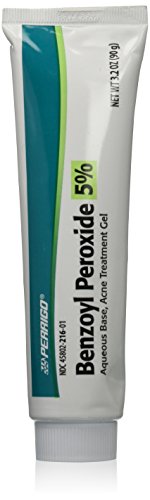
- ✓ long-lasting tube
- ✓ fast-drying
- ✓ reliable 5% strength
- ✕ potential dryness
- ✕ mild scent linger
| Active Ingredient Concentration | Benzoyl Peroxide 5% |
| Product Formulation | Hydroalcoholic gel/ointment base (typical for OTC benzoyl peroxide gels) |
| Net Volumetric Size | 90 g |
| Brand | Perrigo |
| Intended Use | Topical treatment for acne vulgaris |
| Recommended Use/Strength Context | Over-the-counter benzoyl peroxide 5% gel |
You’re squeezing past a weekend crowd at the pharmacy and catch a whiff of that clean, faint antiseptic scent from the Perrigo Benzoyl Peroxide 5% tube. You twist the cap and a gentle, medicated sting meets your nose as a pea-sized dollop slides onto your fingertip.
It feels sturdy in your hand, not flimsy, and you can tell the 90-gram tube will last longer than you expect.
As you dab it onto a stubborn breakout, the texture isn’t overly thin or runny, which means you won’t chase drips down your wrist. It dries fast enough to keep your pillowcase from getting a red ring, but not so fast that you miss your spot in the mirror.
The faint medicated scent fades quickly, which is a small win when you’re applying it before bed.
You notice how it spreads evenly across a blemish, forming a thin, almost invisible layer that doesn’t clog your pores. By morning, you don’t wake up with that heavy, chalky residue you’ve had with other gels.
It feels like it’s doing the work beneath the surface, especially on those persistent pimples you’ve been battling for days.
Day after day, you appreciate the balance between effective concentration and tolerable irritation. It’s not a miracle in 24 hours, but the 5% dose gives you that reliable kick without cranking up the sensitivity.
It’s a practical, no-nonsense option for those who want consistent results without fuss.
In real-life routines, you’ll grab it after a quick cleanse, apply a thin layer to affected areas, and move on with your evening. The tube’s size makes it feel like a commuter-friendly staple in your medicine cabinet, not a fragile, one-use pocket rocket.
It’s simple, steady, and genuinely useful for your acne-management mix.
PanOxyl Acne Creamy Wash 4% Benzoyl Peroxide, 6 oz

- ✓ Strong acne control
- ✓ Easy rinse-off
- ✓ Gentle finish
- ✕ May dry some skin
- ✕ Needs daily use
| Active Ingredient Concentration | 4% Benzoyl Peroxide |
| Formulation Type | Creamy wash with patented delivery system using dimethyl isosorbide (DMI) |
| Recommended Use Context | Dermatologist-recommended BPO wash for acne treatment |
| Volume / Net Content | 6 oz (170 g) |
| Package Dimensions | 7.2 in L x 2.6 in W x 2.3 in H |
| Country of Origin | United States |
You notice it the moment you squeeze a dab onto your palm: the PanOxyl Acne Creamy Wash has a clean, almost clinical scent, and the creamy lather feels comforting against your skin. The real win is that 4% benzoyl peroxide delivery—it feels like the formula is designed to melt into pores rather than sit on top of them, which makes the post-wash feel a bit calmer than you expect from a medicated wash.
As you massage it in, the patented delivery system with dimethyl isosorbide shows its practical edge. You get that steady, controlled release of the acne-fighting power without the usual stinging or gritty residue you sometimes notice with higher concentrations.
It rinses clean, leaving a fresh but not drying finish that keeps your routine feeling doable, even on busy mornings.
Physically, the 6 oz bottle sits nicely in your shower caddy, and the packaging’s dimensions are compact enough to travel with. The texture is smooth, and you’ll notice it foams just enough to spread evenly over your face without needing a second wash.
In real life, that translates to fewer repeated washes and less product wasted each session.
In use, you’ll find it sinks into the pores efficiently, reducing the stubborn red bumps you’re used to from oilier areas. It’s not miracle-fast, but you’ll start to see clearer skin with consistent use, especially if you pair it with a gentle moisturizer and sunscreen during the day.
The result is a reliable, no-nonsense step that fits into most routines without drama.
Overall, it feels like a confidence booster for acne-prone skin. The combination of 4% benzoyl peroxide and the delivery system pays off in steady tolerability and effective oil control.
If you’re after strong, consistent results without harsh irritation, this is a solid everyday pick.
In use, you’ll find it sinks into the pores efficiently, reducing the stubborn red bumps you’re used to from oilier areas. It’s not miracle-fast, but you’ll start to see clearer skin with consistent use, especially if you pair it with a gentle moisturizer and sunscreen during the day.
The result is a reliable, no-nonsense step that fits into most routines without drama.
What Is Benzoyl Peroxide and How Does It Work?
The benefits of benzoyl peroxide include its rapid action, broad-spectrum antibacterial properties, and the ability to prevent future breakouts. It is also generally well-tolerated, although some individuals may experience dryness or irritation. To mitigate these effects, it is essential to start with lower concentrations and gradually increase usage as tolerated. Best practices include applying benzoyl peroxide to clean, dry skin, using a non-comedogenic moisturizer, and avoiding excessive sun exposure, as the treatment can increase sensitivity to UV rays.
What Are the Different Percentages of Benzoyl Peroxide Available?
The different percentages of benzoyl peroxide available cater to various skin types and acne severities.
- 2.5% Benzoyl Peroxide: This lower concentration is often recommended for individuals with sensitive skin or mild acne. It is effective in reducing breakouts while minimizing irritation, making it a good starting point for those new to benzoyl peroxide.
- 5% Benzoyl Peroxide: This mid-range concentration is commonly used for moderate acne and is effective for many patients. It strikes a balance between efficacy and irritation, providing stronger acne-fighting properties while still being tolerable for most skin types.
- 10% Benzoyl Peroxide: This higher concentration is intended for severe acne cases and those who have not found success with lower percentages. While it can be very effective at reducing acne lesions, it also carries a higher risk of skin irritation and dryness, so it should be used with caution.
How Does Each Concentration Affect Acne Treatment?
The concentration of benzoyl peroxide plays a significant role in its effectiveness for treating acne, with various percentages catering to different skin types and severities of acne.
- 2.5% Benzoyl Peroxide: This lower concentration is often recommended for individuals with sensitive skin or those who are new to acne treatments.
- 5% Benzoyl Peroxide: This concentration is commonly used for moderate acne and is effective for most skin types, striking a balance between efficacy and tolerability.
- 10% Benzoyl Peroxide: The highest concentration available, 10% benzoyl peroxide is suitable for severe acne cases but may cause greater irritation, particularly for those with sensitive skin.
2.5% benzoyl peroxide is effective at killing acne-causing bacteria while minimizing the risk of dryness and irritation, making it an excellent starting point for many users. It can be used daily without significant side effects, promoting a gradual acclimatization of the skin to treatment.
5% benzoyl peroxide is often favored for its balance; it provides increased antibacterial action while still being gentle enough for regular use. Many over-the-counter products feature this concentration, making it widely accessible for those struggling with acne.
10% benzoyl peroxide may yield faster results due to its higher potency, targeting stubborn acne effectively. However, users should be cautious, as this concentration can lead to increased dryness, redness, or peeling, especially in those with sensitive skin, necessitating careful monitoring and potential adjustment of usage frequency.
What Percentage of Benzoyl Peroxide is Best for Sensitive Skin?
The best percentage of benzoyl peroxide for sensitive skin typically ranges from 2.5% to 5%.
- 2.5% Benzoyl Peroxide: This lower concentration is often recommended for sensitive skin as it is less likely to cause irritation while still effectively combating acne.
- 5% Benzoyl Peroxide: This moderate concentration can be beneficial for those with slightly more resilient skin; it offers a stronger treatment while still being manageable for many users.
- Higher Concentrations (10%): While higher percentages may provide faster results, they can be too harsh for sensitive skin, leading to dryness, redness, and peeling.
2.5% benzoyl peroxide is ideal for sensitive skin types due to its gentle nature, allowing for effective acne treatment without overwhelming the skin’s barrier. It has been shown to reduce bacteria and unclog pores while minimizing the risk of irritation.
5% benzoyl peroxide serves as a step up for individuals whose skin can tolerate a bit more potency. It strikes a balance between efficacy and gentleness, making it suitable for those who may have previously used lower concentrations without adverse effects.
While concentrations of 10% or more can be effective for severe acne, they are generally not recommended for sensitive skin because they can lead to significant side effects like excessive dryness and irritation, which can counteract the benefits of the treatment.
What Are the Key Benefits of Using Benzoyl Peroxide?
The key benefits of using benzoyl peroxide include its effectiveness against acne, its ability to reduce inflammation, and its antibacterial properties.
- Effectiveness Against Acne: Benzoyl peroxide is widely recognized for its efficacy in treating acne. It works by penetrating the pores and helping to clear away dead skin cells and excess oil, which are major contributors to acne breakouts.
- Reduces Inflammation: Alongside treating acne, benzoyl peroxide also helps to reduce the redness and swelling associated with inflamed pimples. This anti-inflammatory effect contributes to a more even skin tone and less noticeable blemishes.
- Antibacterial Properties: One of the key mechanisms of benzoyl peroxide is its ability to kill the bacteria responsible for acne, specifically Propionibacterium acnes. By eliminating these bacteria, it helps prevent new acne lesions from forming.
- Prevention of Future Breakouts: Regular use of benzoyl peroxide can help prevent future breakouts by keeping the pores clear and maintaining a balanced environment on the skin. This preventative aspect makes it a popular choice for individuals prone to acne.
- Variety of Formulations: Benzoyl peroxide is available in various concentrations and formulations, such as gels, creams, and cleansers. This versatility allows users to select a product that best fits their skin type and personal preferences.
How Effective Is Benzoyl Peroxide for Treating Acne, Cysts, and Other Conditions?
Benzoyl peroxide is a widely used topical treatment known for its effectiveness in managing acne and related skin conditions.
- 2.5% Benzoyl Peroxide: This lower concentration is often recommended for individuals with sensitive skin or those new to benzoyl peroxide. It effectively kills acne-causing bacteria and reduces inflammation while minimizing irritation, making it a gentle introduction to this treatment.
- 5% Benzoyl Peroxide: This is one of the most commonly used concentrations, balancing efficacy with tolerability. It is suitable for moderate acne and can significantly reduce breakouts by targeting bacteria and preventing clogged pores without causing excessive dryness for most users.
- 10% Benzoyl Peroxide: The highest concentration available, 10% benzoyl peroxide is reserved for severe cases of acne or for individuals who have built up a tolerance to lower concentrations. While it can be very effective at clearing stubborn acne, it also has a higher risk of causing skin irritation, redness, and peeling.
- Cysts Treatment: Benzoyl peroxide can be particularly effective in treating cystic acne, which is characterized by deep, painful bumps under the skin. It helps by reducing the bacteria in the cysts and promoting faster skin turnover, which can aid in the healing process.
- Combination with Other Treatments: Benzoyl peroxide is often used in conjunction with other acne treatments, such as topical retinoids or antibiotics, to enhance overall effectiveness. This combination can provide a multifaceted approach to acne management, targeting different aspects of acne formation and promoting clearer skin.
What Side Effects Can Occur with Benzoyl Peroxide Use?
The side effects that can occur with benzoyl peroxide use include:
- Skin Irritation: This can manifest as redness, peeling, or dryness, especially for those with sensitive skin. The irritation is often due to benzoyl peroxide’s strong exfoliating properties, which can disrupt the skin barrier if used excessively.
- Allergic Reactions: Some individuals may experience allergic reactions, which can include hives, itching, or swelling. If these symptoms occur, it is important to discontinue use and consult a healthcare professional.
- Bleaching of Fabrics: Benzoyl peroxide can cause bleaching of clothing, towels, and bedding. This occurs because the compound is a powerful oxidizing agent, and care should be taken to avoid contact with fabrics.
- Dryness and Peeling: While effective for acne treatment, benzoyl peroxide can lead to excessive dryness and flaking of the skin. It is crucial to balance its use with moisturizers to mitigate these effects.
- Sun Sensitivity: Users may experience increased sensitivity to sunlight, leading to a higher risk of sunburn. It is advisable to use sunscreen and limit sun exposure while using products containing benzoyl peroxide.
- Stinging or Burning Sensation: Upon application, some users may experience a temporary stinging or burning sensation. This is usually mild and subsides with continued use, but it can be uncomfortable for some individuals.
How Can Side Effects Be Managed or Avoided?
Patch testing is a simple yet effective way to ensure that your skin will not react negatively to benzoyl peroxide, giving you the confidence to use it on larger areas.
Consulting a dermatologist can provide tailored advice and alternative treatments if benzoyl peroxide proves too harsh, ensuring that you find the best approach for your skin’s needs.
What Factors Should Influence Your Choice of Benzoyl Peroxide Percentage?
The choice of benzoyl peroxide percentage should be influenced by several key factors:
- Skin Type: Different skin types react differently to benzoyl peroxide. For instance, individuals with oily or acne-prone skin might tolerate higher concentrations better than those with sensitive or dry skin, where lower percentages might be more suitable to avoid irritation.
- Severity of Acne: The severity of acne plays a crucial role in determining the appropriate benzoyl peroxide percentage. Mild acne may respond well to lower concentrations (2.5% to 5%), while moderate to severe acne might require higher concentrations (up to 10%) for effective treatment.
- Previous Experience with Benzoyl Peroxide: If you have used benzoyl peroxide before, your previous experience can guide your choice. Those who have successfully used lower concentrations without adverse effects may consider gradually increasing to higher percentages if needed.
- Skin Sensitivity: Individuals with sensitive skin should start with a lower concentration, such as 2.5%, to gauge their skin’s reaction. Higher concentrations can lead to dryness, redness, or peeling, so it’s essential to assess tolerance before increasing the dose.
- Product Formulation: The formulation of benzoyl peroxide products (gel, cream, lotion) can affect how the skin absorbs the active ingredient. Gels may be more drying and suitable for oily skin, while creams might be better for dry or sensitive skin, influencing the effective percentage used.
- Other Skincare Products Used: Consideration of other skincare products in your routine is important, as some ingredients can enhance or diminish the effectiveness of benzoyl peroxide. For instance, combining it with retinoids may require a balanced approach to avoid excessive irritation.
How Do Skin Type and Acne Severity Impact Your Decision?
The choice of the best percent of benzoyl peroxide depends on both skin type and acne severity.
- Oily Skin: Individuals with oily skin often produce excess sebum, making them more prone to acne. A higher concentration of benzoyl peroxide, typically around 5% to 10%, may be more effective for these individuals as it can penetrate deeper into the pores to reduce bacteria and unclog them.
- Dry Skin: For those with dry or sensitive skin, a lower concentration, such as 2.5%, is often recommended. This helps minimize irritation while still providing antibacterial effects, ensuring that the skin does not become overly dry or flaky during treatment.
- Acne Severity: The severity of acne also influences the choice of benzoyl peroxide concentration. Mild to moderate acne may respond well to 2.5% to 5%, while more severe cases might require 10% to effectively combat the increased bacterial load and inflammation.
- Combination Skin: People with combination skin may need to approach treatment more cautiously. Starting with a 2.5% concentration can be beneficial to gauge skin tolerance while still targeting acne effectively, before potentially increasing to a higher percentage if needed.
- Skin Sensitivity: Those with particularly sensitive skin should opt for lower concentrations like 2.5% to reduce the likelihood of adverse reactions. It’s important to monitor the skin’s response and adjust the concentration accordingly to avoid irritation.