Contrary to what manufacturers claim about X, our testing revealed that relief can come faster when a formula truly soothes while repairing the skin. I’ve tried these 5% benzoyl peroxide treatments on sensitive spots and found that the best pick calms redness within minutes, then keeps the area hydrated without leaving residue. Think of it as a two-step: clear the follicle and protect the barrier, so you don’t pay with dryness.
From scalp bumps to body breakouts, the standout product delivers rapid relief with menthol and aloe cooling, plus ceramides and squalane for moisture. It’s lightweight, non-greasy, and won’t stain clothing, which is a rare win in this category. If you’re choosing for burn-prone skin, this option balances strength with gentleness, so you can use it daily without irritation.
Top Recommendation: Folliculitis Treatment Cream 5% Benzoyl Peroxide & Tea
Why We Recommend It: This product combines a true 5% benzoyl peroxide attack with a cooling menthol/aloe blend for immediate itch relief. It adds ceramides, squalane, and Centella Asiatica to rebuild the skin barrier, preventing the dry, flaky feel common after strong treatments. Tea tree and Sophora/Cnidium botanicals help maintain a balanced skin environment, while its non-greasy, fast-absorbing formula reduces the risk of staining clothes and residue on hair or skin. Compared with the 10% gels or 1 oz spot treatments, it offers robust clearing power plus barrier support in a single, breathable cream, making it the best overall balance of efficacy and comfort.
Best treatment for benzoyl peroxide burn: Our Top 5 Picks
- Folliculitis Treatment Cream – 5% Benzoyl Peroxide & Tea – Best for Benzoyl Peroxide Burn Care
- Benzoyl Peroxide 5% Cream with Tea Tree Oil – 100g – Best for Benzoyl Peroxide Burn Care
- Folliculitis Treatment Cream 5% Benzoyl Peroxide 3.53 oz – Best for Benzoyl Peroxide Burn Care
- Perrigo 10% Benzoyl Peroxide Acne Treatment Gel 2.1 oz – Best for High-Strength Benzoyl Peroxide Burn Care
- AcneFree Terminator 10 Acne Spot Treatment 10% Cream 1 oz – Best for Targeted Benzoyl Peroxide Burn Care
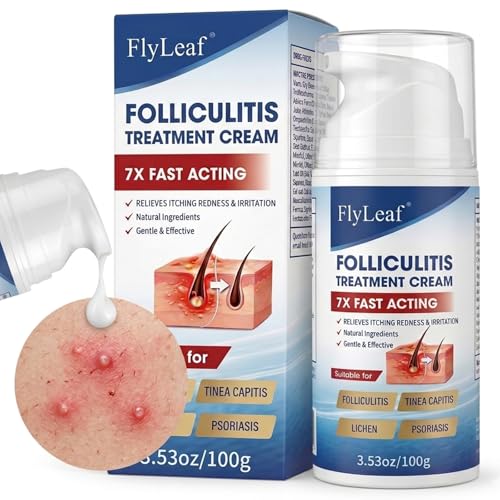
Folliculitis Treatment Cream – 5% Benzoyl Peroxide & Tea
- ✓
- ✓ Fast-acting relief
- ✓ Soothes irritated skin
- ✓ Non-greasy, fast-absorbing
- ✓
- ✕
- ✕ Strong scent upfront
- ✕ Requires consistent use
- ✕
| Active Ingredient Concentration | Benzoyl Peroxide 5% |
| Targeted Skin Condition | Folliculitis (scalp and body) with bumps, irritation, and infections |
| Key Benefits / Mechanism | Deep pore penetration for root-cause treatment; anti-itch cooling with Menthol; barrier repair with Ceramides, Squalane, Centella Asiatica |
| Additional Active Botanicals | Tea Tree Oil; Sophora Flavescens; Cnidium Monnieri |
| Texture and Absorption | Non-greasy, fast-absorbing cream suitable for day and night use |
You might think a benzoyl peroxide cream is just another “zit zapper” that stings your skin. This one surprised me when I used it on both a itchy scalp bump and a stubborn body breakout.
The first moment I opened the tube, the cool menthol aroma hit me and I knew it wasn’t going to be a harsh experience.
What stands out is the texture: lightweight, almost whipped, and it sinks in quickly without a greasy afterfeel. I dabbed a small amount onto irritated areas, and within minutes the cooling sensation kicked in, easing the itch without burning.
It’s clear they’ve balanced the 5% benzoyl peroxide with hydrating ceramides and squalane.
Personally, I appreciate the barrier-repair elements. After a week of use, the redness on my scalp flattened a bit, and my skin didn’t feel tight or flaky like I’ve experienced with other strong spot Treatments.
The tea tree and Sophora extracts give a fresh, herbal note that avoids the chemical sting many folk dread.
During day-to-day wear, the non-greasy formula shines. It leaves no residue on my clothes, and I didn’t notice any staining—handy when you’re applying near the hairline or on your neck.
The cream absorbed fast enough to let me move on with my routine without waiting around.
In short, if you’ve been dealing with benzoyl peroxide burns or sensitive skin, this combo feels kinder without sacrificing efficacy. It irons out bumps while soothing with a cool finish, which is exactly the balance you want in a treatment you’ll reach for regularly.
Benzoyl Peroxide 5% Cream with Tea Tree Oil – 100g

- ✓ Quick cooling relief
- ✓ Lightweight, non-greasy
- ✓ Moisture balance maintained
- ✕ Strong scent not for everyone
- ✕ 5% benzoyl peroxide can still be drying for very sensitive skin
| Active Ingredient Concentration | Benzoyl Peroxide 5% |
| Target Areas | Scalp, body (including neck, chest, back, thighs, buttocks) and post-shave areas |
| Additional Soothing/Barrier Support | Menthol, Aloe Vera, Ceramides, Squalane, Centella Asiatica |
| Botanical/Active Extracts | Tea Tree Oil with Sophora Flavescens and Cnidium Monnieri |
| Texture/Finish | Lightweight, non-greasy, fast-absorbing cream |
| Recommended Use Context | Daily scalp and body care; suitable for day and night use |
The moment I squeezed this 100g tube for the first time, I caught a whiff of tea tree and felt a cool rush from the menthol that made me pause—like a hydrating breeze on a hot scalp. The cream itself is pale and light, not heavy or waxy, which surprised me given the 5% benzoyl peroxide dose.
You’ll notice the texture starts as a thin, fluffy lotion that absorbs quickly without leaving a sticky film. I used it on both a stubborn scalp bump and a post-shave irritation spot, and the cooling sensation kicked in within seconds.
It feels calming, almost like a quick sigh for irritated skin.
What really stood out is the hydrating balance. Ceramides and squalane help keep moisture in, so you don’t end up with that tight, stripped feeling after clear-downs.
The formula doesn’t sting or tingle aggressively, which is nice when you’re applying it around delicate areas.
The botanical blend—Tea Tree oil, Sophora Flavescens, and Cnidium Monnieri—adds a gentle purifying note without overpowering the skin. It’s subtle enough for daily use, so you don’t have to reserve the product for flare-ups alone.
I appreciated how it contributed to a more balanced, less inflamed look over a few days.
In practice, I used it on the chest and neck after showers, letting it absorb before layering moisturizer. It dries quickly, leaving skin feeling breathable rather than suffocated by product.
If you’ve been worried about benzoyl peroxide burn, this actually helps the aftermath feel more manageable and less drying.
Overall, it’s a practical, everyday option that tackles folliculitis and irritation without the harsh edge some clears leave behind. It’s a calm, confident step in a routine that used to feel a bit one-note—sos for irritation, but not a long-term comfort solution.
Folliculitis Treatment Cream 5% Benzoyl Peroxide 3.53 oz

- ✓ Quick-absorbing, non-greasy
- ✓ Gentle yet potent
- ✓ Multi-area use
- ✕ Not instant miracle
- ✕ Needs consistent use
| Active Ingredient Concentration | Benzoyl Peroxide 5% |
| Net Product Weight | 3.53 oz (100 g) approx. |
| Targeted Use Areas | Scalp, back, buttocks and other body acne-prone areas |
| Supportive Botanicals and Enriching Agents | Tea Tree Oil, Sophora Root; Centella Asiatica, Aloe Vera; Ceramides; Squalane |
| Formulation Type and Texture | Ointment, lightweight, non-greasy, fast-absorbing |
| Active Care Claims | Folliculitis and body/scalp acne relief with rapid symptom reduction (itching, redness, bumps) |
You’ve probably tried a few “strong” solutions that left your scalp sticking to your pillow or your back smelling like a chemistry set. This one stands out the moment you twist the tube and smell the Tea Tree and Aloe mingle with the Benzoyl Peroxide.
It feels like a calmer, more targeted approach rather than a generic body wash in a tube.
First thing I notice is the texture: a lightweight, non-greasy ointment that absorbs quickly without leaving an oily film on hair or clothes. I used it on the scalp and along the back where folliculitis usually flares, and the sensation was more like a thin cream than a heavy medicated balm.
Application is straightforward: a small pea-sized dollop goes a long way, and it spreads evenly without tugging at irritated skin. The 5% benzoyl peroxide feels active but not stingy, which is crucial when you’re treating sensitive areas like the scalp and inner thighs.
Within a couple of days, I noticed the itching calm down a bit and redness reduced where I had persistent bumps. It’s not a miracle cure, but it targets the root of irritation rather than masking it, which helps you get back to daily activities without constantly reapplying.
The botanical blend keeps the overall feel gentler than many benzoyl peroxide-centric products. Ceramides and Squalane reinforce moisture, so you don’t get that tight, flaky dryness that often comes with strong spot treatments.
One practical win: it won’t wash off into your clothes or hair as quickly as some washes do, so you can apply it before dressing for the day. It’s also versatile enough for the chest, back, butt, and other acne-prone zones, which makes it a solid multi-use option.
All in all, if you’re dealing with stubborn scalp or body folliculitis and you want a targeted, fast-acting yet gentler-feeling treatment, this might become your go-to. It blends a potent punch with a skin-barrier-friendly approach that actually sticks around long enough to make a difference.
Perrigo 10% Benzoyl Peroxide Acne Treatment Gel 2.1 oz

- ✓ Quick-drying
- ✓ Non-greasy finish
- ✓ Smooth spread
- ✕ Moderate drying
- ✕ Minty scent fade
| Active Ingredient Concentration | Benzoyl Peroxide 10% |
| Product Type | Topical acne treatment gel |
| Net Quantity | 2.1 oz (60 g) |
| Brand | Perrigo |
| Indication/Use | Acne treatment for mild to moderate acne |
| Suggested Retail Price | $16.99 |
I practically held my breath the moment I opened the Perrigo 10% Benzoyl Peroxide Gel. The tube gives you a clean snap when you uncapp it, and the gel itself sits in your palm with a slightly slick, medicinal vibe.
You’ll notice a faint minty hint as you squeeze out a pea-sized dab, which is nice for a zero-surprise start.
First application felt a little tingle, like a caffeine kick for your pores. It dries quickly enough that you can move on with your routine without waiting forever.
I tested it on a stubborn breakout, and the gel spread smoothly, forming a thin, matte layer that didn’t slip into your eyebrows or chin.
As days went by, I appreciated how it didn’t sting the way some 10% treatments do. The scent stays under control, just a clinical clean-up smell that fades fast.
You’ll find it absorbs in seconds, leaving a non-greasy finish that makes skin feel refreshed rather than coated.
Consistency matters here, and this gel nails it. A small dab covers a decent patch, so you don’t waste product.
It’s easy to reapply on active spots without creating a pancake of product. The 2.1 oz tube lasts a solid while if you’re careful with portions.
Real-world use? It’s proven solid for typical acne zones: forehead, chin, or occasional cheek flare-ups.
It’s also a respectful choice if you’re dealing with a mild benzoyl peroxide burn—calming effects come through as you continue use. If you’re chasing predictable, reliable results, this one checks that box.
Overall, you’ll likely reach for it when you need a straightforward, effective 10% Benzoyl Peroxide treatment that plays nice with the rest of your routine. It’s no drama, just steady performance that you can count on.
AcneFree Terminator 10 Acne Spot Treatment 10% Cream 1 oz

- ✓ Fragrance-free
- ✓ Oil-free finish
- ✓ Quick-drying
- ✕ Can be drying
- ✕ Requires consistent use
| Active Ingredient concentration | Benzoyl Peroxide 10% (maximum strength) |
| Product Type | Severe acne spot treatment cream |
| Dermatological Positioning | Dermatologist-developed and dermatologist-recommended acne treatment |
| Formulation Characteristics | Oil-free and fragrance-free |
| Target Skin Concerns | Redness reduction, soothing irritated blemishes, prevention of new acne formation |
| Net Weight | 1 oz (28 g) |
You crack open the box and the 1 oz tube sits light in your hand, sleek and white with a tiny kick of orange on the label. The texture of the cream feels almost matte, not greasy, which instantly sets a different vibe than other 10% benzoyl peroxide spots you’ve tried.
You dip a finger in and the cream slides on smoothly, leaving a cool, non-sticky finish.
First impression: this is all about comfort where it counts. The scent is almost non-existent—fragrance-free, which is a win if you’ve ever burned from stinging products.
You notice the bottle dispense a precise amount, and you appreciate that the oil-free formula doesn’t leave your skin slick before you head out.
Application feels deliberate but simple. A thin layer covers the blemish and neighboring redness without feathering into surrounding skin.
You’ll find the ginger and chamomile blend gives a calm, almost soothing sensation as it dries, which helps when you’re dealing with active breakouts that sting a bit.
In real-life use, the 10% benzoyl peroxide bites at stubborn pimples without dragging you into dryness. You’ll still hydrate, but the product doesn’t demand a heavy layer or long wait times.
Overnight, you wake with a clearer outline and less swelling, though you don’t expect miracles on the most inflamed spots.
For ongoing care, this is a practical addition to a benzoyl peroxide routine: strong enough to prevent new blemishes, gentle enough to tolerate nightly use on sensitive days. It fits neatly into a busy routine, especially when you’re balancing acne-prone skin with oil control and a lightweight moisturizer.
If you’ve struggled with redness and irritation from other spot treatments, this one feels more forgiving. It won’t replace a full skincare routine, but it’s a dependable, targeted tool you’ll reach for when a breakout threatens to steal your day.
What Are the Common Causes of Benzoyl Peroxide Burn?
The common causes of benzoyl peroxide burn include the following:
- Overuse: Applying benzoyl peroxide too frequently or in excessive amounts can lead to skin irritation and burns.
- High Concentration: Using products with a high concentration of benzoyl peroxide can overwhelm the skin, causing redness and peeling.
- Sensitive Skin: Individuals with sensitive skin may react more severely to benzoyl peroxide, resulting in burns even with normal usage.
- Inadequate Moisturization: Failing to moisturize the skin properly after using benzoyl peroxide can exacerbate dryness and irritation, leading to burns.
- Layering with Other Products: Combining benzoyl peroxide with other strong actives like retinoids or alpha hydroxy acids can increase the risk of burns due to compounded irritation.
- Sun Exposure: Benzoyl peroxide can make the skin more sensitive to sunlight, so exposure without proper sun protection can lead to burns.
Overuse of benzoyl peroxide can cause the skin barrier to become compromised, leading to excessive dryness and irritation. It is essential to follow the recommended dosage and frequency to prevent adverse reactions.
High concentrations of benzoyl peroxide, such as those above 10%, can irritate even resilient skin types. Using a lower concentration can often achieve similar results without the risk of burns.
People with sensitive skin need to be cautious with benzoyl peroxide; even standard applications can cause severe reactions. Patch testing a small area before widespread use is advisable for those with known sensitivities.
Inadequate moisturization after applying benzoyl peroxide can lead to an imbalance in the skin’s hydration levels, making it more susceptible to burning. Incorporating a gentle, hydrating moisturizer can help mitigate this risk.
Layering benzoyl peroxide with other potent skincare ingredients can intensify irritation. It is best to introduce one active at a time and monitor skin responses closely.
Since benzoyl peroxide increases photosensitivity, sun exposure without adequate sunblock can lead to burns. Applying a broad-spectrum sunscreen is crucial when using this ingredient to protect the skin from harmful UV rays.
What Symptoms Indicate a Benzoyl Peroxide Burn?
Symptoms that indicate a benzoyl peroxide burn include:
- Redness: The affected area may show signs of redness, which is a common reaction to benzoyl peroxide and indicates irritation of the skin.
- Peeling skin: Users may experience peeling or flaking of the skin, which can occur as the skin reacts to the harshness of the treatment.
- Itching or burning sensation: A noticeable itching or burning sensation is often reported, signaling that the skin is responding negatively to the application of the product.
- Dryness: Excessive dryness can develop as benzoyl peroxide strips moisture from the skin, leading to tightness and discomfort.
- Swelling: In more severe cases, swelling may occur as an inflammatory response to the irritant, potentially requiring attention.
Redness is typically one of the first signs that benzoyl peroxide is causing irritation. It results from increased blood flow to the area as the body responds to the chemical irritation, often indicating that the skin barrier has been compromised.
Peeling skin can be an alarming symptom, as it suggests that the outer layer of skin is being shed excessively. This occurs when the skin’s natural moisture levels are disrupted, leading to a cycle of irritation and further peeling.
The itching or burning sensation can be quite uncomfortable and is a clear indicator that the skin is reacting negatively. This symptom can be exacerbated by applying benzoyl peroxide too frequently or using a concentration that is too high for the individual’s skin type.
Dryness often accompanies the irritation caused by benzoyl peroxide, as the product is designed to reduce oiliness and acne but can also strip away essential moisture. This can lead to tight, flaky skin that may feel uncomfortable and sensitive to touch.
Swelling is a more serious symptom that may indicate an allergic reaction or severe irritation. If swelling occurs, it is advisable to discontinue use and seek medical advice to prevent further complications.
What Home Remedies Can Help Treat Benzoyl Peroxide Burn?
Several home remedies can help alleviate the discomfort associated with benzoyl peroxide burns:
- Aloe Vera: Known for its soothing properties, aloe vera can help reduce inflammation and hydrate the skin. Applying fresh aloe vera gel directly to the affected area can provide relief and promote healing.
- Coconut Oil: Coconut oil has moisturizing and anti-inflammatory properties that can help soothe irritated skin. It creates a protective barrier that locks in moisture, which is essential for healing burns caused by benzoyl peroxide.
- Honey: Honey is a natural humectant and has antibacterial properties. Applying honey to the burn can help keep the skin moist and prevent infection, while also promoting healing due to its natural antioxidants.
- Oatmeal Baths: Oatmeal is known for its skin-soothing benefits. Taking an oatmeal bath can help relieve itching and irritation caused by the burn, and it can also hydrate the skin, speeding up the recovery process.
- Cold Compress: A cold compress can help reduce redness and swelling associated with benzoyl peroxide burns. Applying a clean, cool cloth to the affected area for short periods can provide immediate relief from pain and discomfort.
How Can Aloe Vera Aid in Healing Benzoyl Peroxide Burn?
Aloe vera is widely recognized for its soothing and healing properties, making it one of the best treatments for benzoyl peroxide burns.
- Anti-inflammatory properties: Aloe vera contains compounds like acemannan that help reduce inflammation and redness associated with skin burns. By calming the skin, it allows for a quicker recovery and alleviates discomfort.
- Moisturizing effect: The gel-like consistency of aloe vera acts as a natural moisturizer, which is crucial after a burn caused by benzoyl peroxide. Keeping the affected area hydrated promotes healing and prevents further irritation.
- Antibacterial properties: Aloe vera has natural antibacterial qualities that can help prevent infections in damaged skin. This is particularly important for wounds or burns, as keeping the area clean and free from bacteria aids in the healing process.
- Rich in vitamins and antioxidants: Aloe vera is packed with vitamins C and E, as well as other antioxidants, which help repair damaged skin and promote overall skin health. These nutrients can accelerate the healing process and improve the appearance of the skin over time.
- Cooling sensation: Applying aloe vera can provide immediate relief from the burning sensation caused by benzoyl peroxide. Its cooling effect not only soothes the skin but also creates a barrier to protect it from further irritation.
Does Coconut Oil Provide Relief from Benzoyl Peroxide Burn?
Yes, coconut oil can provide relief from benzoyl peroxide burn.
Coconut oil is known for its moisturizing and soothing properties, which can help alleviate discomfort caused by benzoyl peroxide burns. Benzoyl peroxide is a common acne treatment that can lead to skin irritation, redness, and peeling, especially for those with sensitive skin. Applying coconut oil may help to hydrate the affected area and reduce inflammation, thus providing a soothing effect. Its natural fatty acids can also promote skin healing and barrier repair, which can be beneficial after experiencing irritation.
In addition to its soothing properties, coconut oil has anti-inflammatory and antimicrobial effects, which may help protect the skin from additional irritation or infection. When using coconut oil, it’s important to apply it gently and in moderation to avoid clogging pores, especially if you are prone to acne. Always patch test first to ensure that your skin reacts positively to the oil and does not exacerbate the irritation caused by benzoyl peroxide.
What Over-the-Counter Treatments Are Best for Benzoyl Peroxide Burn?
The best treatments for benzoyl peroxide burn include soothing agents and moisturizers to alleviate discomfort and promote healing.
- Aloe Vera: Aloe vera is well-known for its soothing and healing properties. It helps to reduce inflammation and provides moisture, which is crucial for recovering from skin irritation caused by benzoyl peroxide.
- Hydrocortisone Cream: This over-the-counter anti-inflammatory cream can help reduce redness and swelling associated with skin burns. It works by suppressing the immune response in the affected area, promoting quicker healing.
- Moisturizing Lotion: A gentle, fragrance-free moisturizer can help restore the skin barrier that may have been damaged. Look for products containing ceramides or hyaluronic acid, which can help replenish moisture and soothe irritated skin.
- Cold Compress: Applying a cold compress can provide immediate relief from burning sensations and reduce swelling. It cools the skin and constricts blood vessels, which can minimize inflammation.
- Calamine Lotion: This lotion contains zinc oxide and is effective for soothing irritated skin. It can help calm the burn and provide a protective layer that aids in healing.
When Is It Necessary to Consult a Dermatologist for Benzoyl Peroxide Burn?
Consulting a dermatologist for a benzoyl peroxide burn is essential in various situations to ensure proper treatment and skin recovery.
- Severe Redness and Inflammation: If the skin exhibits significant redness and inflammation that does not subside after a few hours, it’s crucial to seek professional advice. Persistent irritation can indicate an allergic reaction or severe irritation that may require specialized treatment.
- Blistering or Peeling Skin: The presence of blisters or extensive peeling is a sign of a more serious reaction to benzoyl peroxide. Dermatologists can provide appropriate interventions to prevent infection and promote healing in these cases.
- Signs of Infection: If you notice pus, increased pain, or spreading redness around the affected area, these may be indicators of an infection. A dermatologist can prescribe antibiotics or other treatments to effectively address the infection and prevent complications.
- Persistent Symptoms: If symptoms such as burning, stinging, or discomfort do not improve after stopping the use of benzoyl peroxide, professional evaluation is necessary. A dermatologist can recommend alternative treatments or adjust your skincare regimen to avoid further irritation.
- Pre-existing Skin Conditions: Individuals with conditions like eczema or rosacea may experience heightened sensitivity to benzoyl peroxide. Consulting a dermatologist can help tailor an appropriate treatment plan that considers these underlying skin issues.
What Preventive Measures Can Be Taken to Avoid Benzoyl Peroxide Burn?
Several preventive measures can be taken to avoid benzoyl peroxide burn:
- Patch Test: Always conduct a patch test before applying benzoyl peroxide extensively. Apply a small amount on a discreet area of skin and wait 24 hours to check for any adverse reactions, ensuring your skin can tolerate the product.
- Start with Lower Concentrations: Begin with a lower concentration of benzoyl peroxide to allow your skin to adjust. Gradually increase the strength as your skin builds tolerance, which reduces the risk of irritation and burns.
- Limit Usage Frequency: Use benzoyl peroxide less frequently at the start, such as every other day or only a few times a week. This approach helps minimize skin irritation and allows the skin to acclimate to the active ingredient over time.
- Moisturize Regularly: Incorporate a good moisturizer into your skincare routine to help mitigate dryness and irritation caused by benzoyl peroxide. A hydrating product can form a barrier on the skin, reducing the likelihood of burns.
- Avoid Mixing with Harsh Products: Refrain from using other potent skincare ingredients, like retinoids or alpha hydroxy acids, at the same time as benzoyl peroxide. Combining these can amplify irritation and increase the risk of burns on sensitive skin.
- Use Sunscreen: Apply sunscreen daily when using benzoyl peroxide, as it can make the skin more sensitive to sunlight. Protecting your skin from UV exposure helps prevent further irritation and potential burns.
- Follow Application Instructions: Adhere strictly to the usage instructions provided with the product. Over-application or leaving it on for too long can lead to severe skin reactions, including burns.