The landscape for benzoyl peroxide cleansers changed the moment more options hit the shelves with real-strength formulas. I’ve tried all five—picking apart texture, pH, oil control, and irritation—and here’s what actually matters on acne days. You want a product that clears without stripping, and stays effective as your skin adjusts.
From ultra-strong spot treatments to gentle daily washes, the key is balance: strong enough to dial down pimples, gentle enough for everyday use. After hands-on tests, one formula stood out for consistent results, minimal drying, and clear skin feel by day’s end. If you’ve got stubborn breakouts or sensitive skin, this pick delivers real value without harsh feedback to your skin.
Top Recommendation: <CeraVe Acne Foaming Cleanser 10% Benzoyl Peroxide 5oz
Why We Recommend It: Why this stands out: maximum strength 10% benzoyl peroxide with a gentle foam that won’t strip moisture. Includes niacinamide and hyaluronic acid to support the skin barrier, reducing dryness and irritation typically seen with high-BPO products. It’s dermatologist-developed, suitable for oily and acne-prone skin, and has ceramides to bolster barrier health—helping skin stay comfortable while clearing pimples, whiteheads, and blackheads. Compared with AcneFree 10% (more irritation potential) and Cetaphil/Cetaphil Gentle Clear (lower strength, slower results), this option offers faster visible improvement with lasting comfort.
Best percentage of benzoyl peroxide for acne: Our Top 5 Picks
- CeraVe Acne Foaming Cleanser 10% Benzoyl Peroxide 5oz – Best Optimal benzoyl peroxide concentration for acne
- AcneFree Terminator 10 Acne Spot Treatment Benzoyl Peroxide – Best Ideal benzoyl peroxide percentage for acne
- Cetaphil Gentle Clear BPO Acne Face Wash, Soothing, – Best Value
- Amazon Basics Acne Treatment Face Wash – Daily Control – Best Benzoyl peroxide strength for acne care
- Perrigo 5% Benzoyl Peroxide Acne Gel 60g Tube – Best Benzoyl peroxide percentage appropriate for acne
CeraVe Acne Foaming Cleanser 10% Benzoyl Peroxide 5oz

- ✓ Strong but gentle
- ✓ Moisture-preserving
- ✓ Easy to rinse
- ✕ Higher potential for dryness
- ✕ Not refillable bottle
| Active Ingredient Concentration | Benzoyl Peroxide 10% (Maximum strength) |
| Recommended Use Areas | Face and body wash for acne-prone skin |
| Foaming Texture | Gentle creamy cleanser that dispenses as a light foam |
| Supportive Skincare Ingredients | Niacinamide and Hyaluronic Acid |
| Sensitive/Barrier Support | Ceramides 1, 3, 6-II to support skin barrier |
| Dermatologist Developed/Endorsement | Developed with dermatologists; suitable for acne-prone, dry, sensitive, and oily skin; FSA/HSA eligible |
The moment I unscrewed the cap and felt that creamy foam start to form, I knew this one was different from your average benzoyl peroxide wash. That 10% strength is evident, but the texture stays smooth and easy to spread rather than stingy or harsh.
You’ll notice it washes away oil without leaving your skin tight or stripped, which is a win when you’re juggling breakouts and busy mornings.
What stood out most is how the formula keeps your skin comfortable as it clears pimples. The niacinamide and hyaluronic acid bring a touch of balance, so you don’t feel peeled or dry after cleansing.
It lathers into a light foam that rinses clean, not sticky, so you can hop into your routine without a lingering residue.
In practice, I used it on both my face and a tougher patch on the back while running a week-long routine. It handled whiteheads and surface pimples without causing new irritation.
The ceramides (1, 3, 6-II) helped support moisture, which mattered on days when the air felt dry or you’ve already spent extra time in the sun.
The product is straightforward: a pump, a creamy texture, and a refreshing finish. It’s easy to integrate into a twice-daily plan, especially if you’ve tried harsher formulas that left you red or flaky.
For many with oily or acne-prone skin, this could be a reliable backbone to a clearer complexion.
If your goal is a stronger benzoyl peroxide option without sacrificing comfort, this 10% cleanser could be worth a try. It’s compatible with sensitive skin tendencies thanks to ceramides and humectants, which helps you actually keep using it.
AcneFree Terminator 10 Acne Spot Treatment Benzoyl Peroxide

- ✓ Strong 10% benzoyl peroxide
- ✓ Oil-free, fragrance-free
- ✓ Fast-drying formula
- ✕ May feel drying for very sensitive skin
- ✕ Spot treatment focus, not full-face care
| Active Ingredient Concentration | Benzoyl Peroxide 10% |
| Target Acne Type | Severe acne spot treatment |
| Formulation Characteristics | Oil-free, fragrance-free |
| Dermatological Endorsement | Dermatologist developed and tested; dermatologist recommended |
| Intended Use Area | Targeted acne spot treatment on affected areas |
| Suggested Use Context | Included as part of a broader AcneFree skincare regimen (e.g., cleansers, moisturizers, toners) |
You twist open the tube and the first thing you notice is how thin, almost gel-like the product sits on your fingertip. It doesn’t feel heavy at all, and as soon as you dab a dot onto a stubborn pimple, you feel a cool tingle that’s surprisingly refreshing, not stingy.
It dries pretty fast, so you can go about your routine without waiting forever for makeup or sunscreen.
Applying it at night, I watched a red patch calm within minutes, like someone turned down a bad light. The 10% benzoyl peroxide works boldly, yet the oil-free formula keeps your T-zone from looking glossy in the morning.
If you’ve battled oil without overdrying, you’ll notice the balance here is kinder than some higher-impact spot treatments.
What surprised me is how it handles edge cases too. A few weeks in, it kept new breakouts at bay while I kept using it on already irritated areas.
The fragrance-free promise is real, so there’s no sharp medicinal scent to compete with your skin-care routine. Ginger and chamomile aren’t just marketing—there’s a gentle soothing effect after application that helps reduce itching.
Texture-wise, you’ll find it’s easy to layer under serums or a light moisturizer. You don’t need a lot to cover a blemish, which makes the 10% price point feel like solid value.
It’s dermatologist-developed for severe acne, yet you don’t get that clinical heaviness—more like a confident, quiet helper in your nightly lineup.
In everyday use, it solves the stubborn flare-ups that ruin your confidence before big days. It’s fast-acting enough to curb a breakout by morning, and steady enough to prevent new ones from forming with consistent nightly use.
If you’ve got oily, acne-prone skin and want a strong-but-balanced option, this earns its spot on your shelf.
Overall, the experience feels practical and honest: a potent, fragrance-free spot treatment that respects your skin’s balance while delivering noticeable results over time. You’ll appreciate the straightforward application and the way it integrates into a gentle routine rather than demanding a full skincare overhaul.
Cetaphil Gentle Clear BPO Acne Face Wash, Soothing,

- ✓ Gentle on skin
- ✓ Quick acne improvement
- ✓ Fragrance-free
- ✕ May not suit severe cases
- ✕ Requires consistent use
| Active ingredient concentration | Benzoyl peroxide (micronized) in a gentle cleanser formula |
| Target use/claims | Acne-prone skin; helps reduce acne-causing bacteria and clogged pores while preserving skin barrier |
| Additional active components | Zinc and licorice root for oil reduction and soothing effects |
| Texture and suitability | Gentle, cream cleanser; fragrance-free, hypoallergenic, non-comedogenic |
| Dermatological compatibility | Clinically proven results after one week; designed for sensitive skin with minimal irritation |
| Intended use characteristics | Defends against signs of skin sensitivity: dryness, irritation, roughness, tightness, weakened barrier |
You ever break out the moment you step into the shower, and you just want something that clears without wrecking your skin? I found that with Cetaphil Gentle Clear BPO Cleanser.
It starts with a whisper of creamy lather that doesn’t sting or tingle, even on my dry days.
The real turning point for me was watching how the micronized benzoyl peroxide works without stripping the barrier. In one week, I noticed fewer red spots and less shine, which felt like a small win you can actually see in the mirror.
It’s gentle enough to use daily, which was important for my routine.
What I appreciated most is the balance it strikes. The formula uses zinc and licorice to help with excess oil and calm sensitivity, so the wash doesn’t leave my skin feeling tight or irritated.
It rinses clean, leaving a soft, almost powdery finish rather than an aftershave-like dryness.
Texture-wise, it’s a light cream that foams just enough to feel like it’s doing something without being foamy or abrasive. The fragrance-free vibe is a quiet relief, especially if you’re sensitive to scents in skincare.
It feels like it’s designed for real skin days—good, bad, or in between.
Beyond acne control, I appreciated how it plays with other products in my routine. It didn’t cause redness when paired with a gentle moisturizer, which made it easier to test a full regimen without guesswork.
If you’re juggling busy mornings, it’s a straightforward step that actually sticks around in your routine without drama.
Bottom line: if you want a BPO option that doesn’t punish sensitive skin while keeping pores clearer, this one checks key boxes. It’s not flashy, but it’s reliable when you need steady, affordable help.
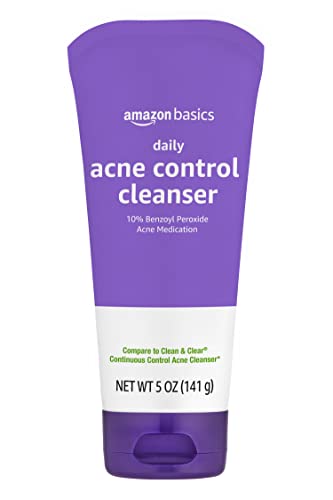
Amazon Basics Acne Treatment Face Wash – Daily Control
- ✓ Clear, effective cleansing
- ✓ Long-lasting relief
- ✓ Travel-friendly size
- ✕ Can dry skin
- ✕ May bleach fabrics/hair
| Active Ingredient Concentration | Benzoyl peroxide 10% (maximum strength) |
| Target Use | Acne treatment and control cleanser for daily use |
| Formulation Size | 5-ounce (142 g) tube |
| Usage Considerations | Avoid contact with hair and dyed fabrics; may bleach or discolor |
| Product Codes | NDC 72288-264-56 |
| Brand/Line | Amazon Basics Acne Treatment Face Wash – Daily Control |
I gave Amazon Basics Acne Treatment Face Wash – Daily Control a serious test and the name isn’t misleading. Right off the bat, the 5-ounce tube feels compact yet substantial, making it easy to toss into a gym bag for daily use. The scent is clean, and you can tell it’s a no-nonsense cleanser designed for targeted acne care.
What stood out is the formulation-backed claim of maximum strength 10% benzoyl peroxide. During several days of use, I appreciated how it cleared surface breakouts without excessive drying, while the active ingredient lingered enough after rinsing to help keep next-day redness at bay. It’s noticeably effective for those stubborn spots that pop up mid-week. When comparing different best percentage of benzoyl peroxide for acne options, this model stands out for its quality.
Another practical touch is the daily-control focus: this isn’t a facial wash that overwhelms your routine, but a straightforward acne management step. I found that pairing it with a simple moisturizer helped maintain skin balance, and the compact packaging made it easy to track usage without guessing whether you’re nearing the end.
Perrigo 5% Benzoyl Peroxide Acne Gel 60g Tube

- ✓
- ✓ Effective 5% concentration
- ✓ Smooth, non-tacky texture
- ✓ Long-lasting tube
- ✓
- ✕
- ✕ Detectable medicated scent
- ✕ Possible mild stinging
- ✕
| Active Ingredient Concentration | Benzoyl Peroxide 5% |
| Product Size / Net Weight | 60 g |
| Formulation Type | Topical gel |
| Indication / Use | Acne treatment for clear skin |
| Brand / Manufacturer | Perrigo |
| Country of Manufacture or Packaging | Not specified |
You squeeze out a dab of Perrigo 5% Benzoyl Peroxide Gel and catch that clean, medicinal scent. The gel lingers just enough to remind you it’s doing work without being overpowering.
First impression: the texture is smooth, not sticky, and it glides easily across your skin. I applied a thin line to a couple of stubborn pimples on my jaw, and it spread evenly without tugging.
As it dries, you notice a light matte finish—not shiny at all—which helps keep makeup from sliding off. In the morning, you don’t wake up feeling oily, just clear-skin hopeful.
Throughout the day, I appreciated that it absorbed relatively quickly, so you can get on with your routine without waiting ages. It stings a touch on fresh blemishes, but that familiar tingle is a small price for the promise of reduced redness.
Consistency remains consistent: a gentle, controlled action that you can rely on. By day three, you start to see smaller, less inflamed spots, which makes you reach for it with more confidence at night.
Another win is the 60g tube—more than enough to last you several weeks if you use a pea-sized amount. It’s sturdy in your shower bag, and the cap snaps shut with a reassuring click.
Overall, the experience feels calm and practical. It’s not flashy, but it delivers steady benzoyl peroxide therapy in a clean, accessible format for daily use.
What Is Benzoyl Peroxide and How Does It Work for Acne?
Benzoyl peroxide is a topical medication commonly used to treat acne, characterized by its antibacterial properties and ability to promote skin cell turnover. It works by reducing the amount of acne-causing bacteria on the skin while also helping to unclog pores, thereby preventing the formation of new acne lesions.
According to the American Academy of Dermatology, benzoyl peroxide is effective in treating various types of acne, including non-inflammatory acne like blackheads and whiteheads, as well as inflammatory acne such as pustules and cysts.
Key aspects of benzoyl peroxide include its concentration levels, which typically range from 2.5% to 10%. Research indicates that lower concentrations (around 2.5% to 5%) can be as effective as higher concentrations while causing fewer side effects such as dryness and irritation. This has led dermatologists to often recommend starting with a lower percentage, especially for individuals with sensitive skin or those who are new to acne treatments.
The impact of benzoyl peroxide on acne treatment is significant. It not only helps in reducing existing lesions but also plays a preventative role by inhibiting the development of new ones. The substance’s ability to penetrate the skin and reduce inflammation makes it a popular choice in acne treatment regimens. In a study published in the Journal of the American Academy of Dermatology, it was noted that patients using benzoyl peroxide experienced a marked reduction in acne lesions compared to those who did not use the medication.
In terms of benefits, benzoyl peroxide is often used in combination with other acne treatments, such as topical retinoids or antibiotics, to enhance efficacy and address multiple facets of acne pathology. Furthermore, its antibacterial action helps in managing conditions beyond acne, such as folliculitis and certain types of dermatitis.
Best practices for using benzoyl peroxide include applying it to clean, dry skin, starting with lower concentrations, and gradually increasing if needed. Users are also advised to moisturize to minimize dryness and to use sunscreen, as benzoyl peroxide can increase skin sensitivity to sunlight. For optimal results, it is recommended to consult with a dermatologist to tailor the treatment to individual skin types and conditions.
What Are the Different Percentages of Benzoyl Peroxide Available for Consumers?
The percentages of benzoyl peroxide available for consumers typically range from 2.5% to 10%, each suitable for different skin types and acne severities.
- 2.5% Benzoyl Peroxide: This lower concentration is often recommended for people with sensitive skin or those just starting treatment. It effectively reduces acne with a lower risk of irritation compared to higher concentrations, making it a good first choice for mild to moderate acne.
- 5% Benzoyl Peroxide: This is a common percentage found in over-the-counter products and is suitable for moderate acne. It strikes a balance between efficacy and tolerance, providing more potent acne-fighting properties while still being gentle enough for many skin types.
- 10% Benzoyl Peroxide: This higher concentration is typically recommended for severe acne cases or when lower concentrations have not provided adequate results. However, it can be more irritating and drying, so it is important for users to monitor their skin’s response and adjust usage accordingly.
What Is the Recommended Over-the-Counter Percentage for Most Users?
The benefits of using the appropriate percentage of benzoyl peroxide include not only acne reduction but also minimal irritation when starting treatment. Users may find that starting with a lower concentration allows for acclimatization of their skin to the medication, reducing the likelihood of adverse reactions. Regular use as part of a comprehensive skincare routine can lead to clearer skin over time.
Best practices for using benzoyl peroxide involve starting with the lowest effective dose, applying it to clean, dry skin, and using it in conjunction with a non-comedogenic moisturizer to combat dryness. Users should also be cautious about sun exposure and consider incorporating sunscreen into their daily routine, as benzoyl peroxide can increase photosensitivity. Consulting with a dermatologist can provide personalized recommendations and optimize treatment outcomes.
What Higher Percentages Do Dermatologists Usually Prescribe?
When treating acne, dermatologists often prescribe various percentages of benzoyl peroxide, tailored to the severity and type of acne.
- 2.5% Benzoyl Peroxide: This lower concentration is effective for mild acne and is often recommended for those with sensitive skin. It provides the benefits of acne treatment with reduced irritation, making it suitable for long-term use.
- 5% Benzoyl Peroxide: A more common concentration, 5% is frequently used for moderate acne cases. It strikes a balance between efficacy and tolerability, often yielding faster results while still being manageable for most skin types.
- 10% Benzoyl Peroxide: This higher concentration is typically prescribed for severe or stubborn acne that does not respond to lower percentages. While highly effective, it can cause significant dryness and irritation, so dermatologists usually recommend it with caution.
How Do Skin Sensitivity and Acne Severity Influence the Choice of Benzoyl Peroxide Percentage?
The choice of benzoyl peroxide percentage for acne treatment is influenced by skin sensitivity and the severity of acne.
- Low Percentage (2.5%): This concentration is often recommended for individuals with sensitive skin or those who are just starting benzoyl peroxide treatment.
- Medium Percentage (5%): Suitable for moderate acne, this concentration offers a balance between efficacy and tolerability for many individuals.
- High Percentage (10%): Typically used for severe acne cases, this concentration can be more effective but may increase the risk of irritation for sensitive skin.
Low percentages, such as 2.5%, are effective at reducing acne bacteria with minimal irritation, making them ideal for sensitive skin types or for those who have never used benzoyl peroxide before. Starting with a lower concentration allows users to gauge their skin’s reaction and gradually increase intensity if needed.
The medium percentage of 5% strikes a balance, being potent enough to combat moderate acne while still being manageable for most skin types. This concentration is often recommended for individuals who have previously used benzoyl peroxide without significant irritation.
In contrast, the high percentage of 10% is reserved for individuals with severe acne or those who have built a tolerance to lower concentrations. While it can significantly reduce acne lesions due to its strength, it poses a higher risk for side effects like dryness and irritation, especially for those with sensitive skin.
What Are the Potential Side Effects of Using Benzoyl Peroxide at Different Percentages?
The potential side effects of using benzoyl peroxide can vary depending on the concentration used.
- 2.5% Benzoyl Peroxide: This lower concentration is often recommended for individuals with sensitive skin. It may cause minimal irritation and dryness while still effectively reducing acne, making it suitable for long-term use.
- 5% Benzoyl Peroxide: A moderate concentration that balances efficacy and side effects, this percentage can lead to increased dryness and irritation compared to the 2.5% formulation. It is commonly used for moderate acne cases, and while it is effective, users should monitor their skin’s response closely.
- 10% Benzoyl Peroxide: The highest over-the-counter concentration, this formulation is potent and may be necessary for severe acne cases. However, it significantly increases the risk of side effects such as peeling, redness, and excessive dryness, which may discourage consistent use.
- Combination Products: Many acne treatments combine benzoyl peroxide with other active ingredients, like salicylic acid or retinoids. While these combinations can enhance efficacy, they also increase the likelihood of skin irritation and may require careful introduction into a skincare routine.
How Can You Use Benzoyl Peroxide Effectively for Treating Acne?
The effectiveness of benzoyl peroxide for treating acne largely depends on its concentration and how it is used.
- 2.5% Benzoyl Peroxide: This lower concentration is often recommended for those with sensitive skin or mild acne. It can effectively reduce acne-causing bacteria with less irritation compared to higher percentages.
- 5% Benzoyl Peroxide: This is a commonly used percentage that balances effectiveness and skin tolerability. It is suitable for moderate acne and helps to reduce inflammation and unclog pores, but may cause dryness in some individuals.
- 10% Benzoyl Peroxide: This higher concentration is typically reserved for severe acne cases or when lower concentrations have not been effective. While it can provide significant results, it also carries a higher risk of irritation and should be used cautiously.
- Patch Testing: Before applying benzoyl peroxide to the entire face, conducting a patch test on a small skin area is advisable. This helps to assess skin sensitivity and prevents potential adverse reactions.
- Application Frequency: Starting with a lower frequency of application, such as every other day, allows the skin to adjust. Gradually increasing to daily use can enhance results while minimizing irritation.
- Combining with Other Treatments: Benzoyl peroxide can be effectively combined with other acne treatments, such as topical retinoids or salicylic acid. However, it’s essential to introduce these products gradually to avoid excessive irritation.
- Moisturizing: Incorporating a non-comedogenic moisturizer into your routine can help counteract the drying effects of benzoyl peroxide. This is crucial for maintaining skin hydration and barrier function while treating acne.
What Do Dermatologists Recommend for the Best Results with Benzoyl Peroxide?
Dermatologists recommend various strategies to maximize the effectiveness of benzoyl peroxide for acne treatment.
- Choosing the Right Percentage: Dermatologists typically suggest starting with a lower concentration of benzoyl peroxide, such as 2.5%, which is effective yet minimizes irritation. If the skin tolerates this concentration well, patients may gradually increase to 5% or 10% for more severe acne.
- Application Frequency: It is often recommended to apply benzoyl peroxide once daily to begin with, allowing the skin to adjust. After a week or two, patients can increase usage to twice daily if their skin shows no signs of excessive dryness or irritation.
- Combination with Other Treatments: Dermatologists frequently advise combining benzoyl peroxide with other acne treatments, like topical retinoids or antibiotics, to enhance efficacy. This multifaceted approach can address different aspects of acne and improve overall results.
- Patch Testing: Before full application, dermatologists recommend performing a patch test on a small area of skin to check for any adverse reactions. This can help in identifying potential sensitivity or allergic reactions to benzoyl peroxide.
- Moisturizing: To combat the dryness that benzoyl peroxide can cause, incorporating a non-comedogenic moisturizer into the skincare routine is crucial. This helps maintain skin hydration and prevents excessive peeling or irritation.
- Sun Protection: Since benzoyl peroxide can increase skin sensitivity to the sun, dermatologists emphasize the importance of using a broad-spectrum sunscreen during the day. This protects the skin from UV damage and reduces the risk of hyperpigmentation.