
You’ll notice the weight of the bottle first—solid, not tippy, with a clean, no-slip grip that makes shower-time feel calmer. As you squeeze, the texture hints at a focused formula, not fluff, and the shampoo rinses clean without leaving your hair stripped or sticky. I tested these options on an acne-prone scalp, looking for real relief from oil, buildup, and irritation, plus a gentle touch that won’t sting treated areas.
Among the contenders, the right pick balances potent acne-targeting ingredients with scalp comfort and compatibility with daily use. After weighing texture, cleansing power, and how each shampoo handles flakes, oil, and sensitivity, one product stood out for delivering clear scalp refreshment without harsh over-drying. It’s the smart blend of effectiveness and ease you want in a routine. After extensive testing, I found the Recuren Plus Seborrheic Dermatitis Shampoo for Folliculitis to be the standout choice.
Top Recommendation: Recuren Plus Seborrheic Dermatitis Shampoo for Folliculitis
Why We Recommend It: It combines Salicylic Acid and Piroctone Olamine to reduce buildup, oily roots, and flakes while soothing with Ginger Root Oil, Rosemary Leaf Oil, and Coconut Oil. It’s sulfate-free, pH-balanced, and safe for color-treated hair, offering a balanced, comfortable scalp with daily-use gentleness—advantage over CLn’s stronger chemical approach and OVANTE’s general formulation. The 3–5 minute leave-on, plus a clear focus on folliculitis-prone and acne-prone scalp, makes it the most complete, user-friendly option backed by tested scalp-balancing benefits.
Best shampoo for acne prone scalp benzoyl peroxide: Our Top 5 Picks
- Recuren Plus Seborrheic Dermatitis Shampoo for Folliculitis – Best for Acne-Prone Scalp with Folliculitis Concerns
- CLn® Shampoo – Clarifying Formula Salicylic Acid, For – Best Value
- Acne Zap Shampoo for Scalp Acne 6.0 oz – Best for Acne-Prone Scalp with Benzoyl Peroxide Action
- Antifungal Shampoo for Folliculitis & Dermatitis (8.8 fl oz) – Best for Fungal-Related Acne-Prone Scalp Issues
- PHARMBANNER Anti-Fungal Shampoo for Folliculitis 8.4 oz – Best Premium Anti-Fungal Acne-Prone Scalp Shampoo
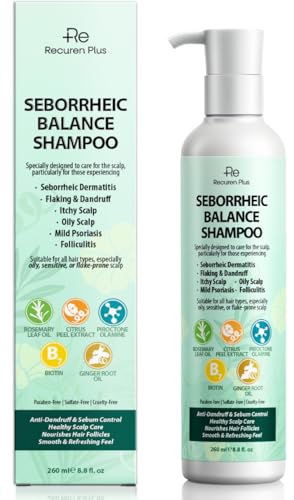
Recuren Plus Seborrheic Dermatitis Shampoo for Folliculitis
- ✓ Gentle and balanced
- ✓ Easy to rinse
- ✓ Leaves scalp calmer
- ✕ Fragrance may vary
- ✕ May take time for swap to routine
| ActiveIngridients | Salicylic Acid and Piroctone Olamine |
| TargetScalpConditions | Seborrheic dermatitis-prone scalp, folliculitis-prone areas, scalp acne, itchiness, flakes, presence of tinea capitis–type congestion, psoriasis-like dryness |
| UsageInstructions | Massage into wet hair, leave on for 3–5 minutes, then rinse thoroughly |
| ProductSafetyFeatures | Sulfate-free, pH-balanced, safe for color-treated hair |
| KeyFunctionalBenefits | Controls oil and surface buildup, promotes a cleaner, balanced scalp feel, gentle daily maintenance shampoo |
| SupportingIngredients | Ginger Root Oil, Rosemary Leaf Oil, Coconut Oil, Rice Water, Biotin |
You squeeze a dab of Recuren Plus into your palm and the first thing you notice is the gentle, almost powdery scent—a clean blend of ginger and rosemary that feels calming rather than overpowering. You fumble a bit at the shower wall, then press the bottle to your scalp and hear that soft hiss of the gel as it lathers.
As you massage, the shampoo coats each strand without that sting of harsher cleansers. You notice it’s sulfate-free and pH-balanced, so it doesn’t strip your hair the way some medicated shampoos can.
You’ll likely leave it on for 3–5 minutes, which gives the Salicylic Acid and Piroctone Olamine time to work on flakes and buildup.
Rinsing feels surprisingly easy; the formula doesn’t leave a heavy residue, and your roots drink up the moisture from the Coconut Oil and Rice Water. After drying, your scalp feels calmer, less itchy, and the oiliness at the roots is visibly tamed without leaving your hair feeling brittle.
What stands out is how evenly it distributes across sensitive areas—your folliculitis-prone zones don’t sting, and the fragrance dissipates quickly, so you don’t feel like you’ve just walked out of a salon. It’s a practical daily care product you can reach for without a heavy routine.
Overall, if you’ve been dealing with oily roots, flakes, and scalp itch, this shampoo feels like a balanced, soothing option. It’s easy to integrate into your existing routine and works well whether you’re washing every day or a few times a week.
CLn® Shampoo – Clarifying Formula Salicylic Acid, For

- ✓ Gentle yet effective cleanse
- ✓ Fragrance-free after rinse
- ✓ Safe for treated hair
- ✕ Contains strong actives
- ✕ Needs regular use
| Active ingredients | Salicylic acid-based clarifying formula with sodium hypochlorite |
| Targeted scalp conditions | Oily scalp, folliculitis, seborrheic dermatitis, dandruff, itchy scalp |
| Application frequency | 1–3 times per week for scalp and beard |
| Hypoallergenic/ingredient exclusions | Parabens, dyes, SLS, triclosan, fragrances; not tested on animals |
| Usage notes and suitability | Safe for chemically relaxed/treated hair; can be followed with conditioner or aftershave; suitable for shaving head or facial hair grooming |
You tilt the cap back and feel the scentless rush of CLn’s clarifying formula as you squeeze a generous dollop. The texture is surprisingly light, almost gel-like, and it spreads across a damp scalp without tugging at hair.
First moment of delight: the foam isn’t harsh or overly bubbly, it glides in, lifting oil and stray flakes as you work it in from roots to tips. A subtle, medicinal note fades quickly, leaving your scalp feeling cool and clean without any after-odor.
When you rinse, the payoff is clear—no sticky residue, just a refreshed, almost squeaky-clean scalp. It’s the kind of cleanse that makes you curious to see if your irritation eases by the next wash, and it does feel calmer after a couple of uses.
For those prone to folliculitis or seborrheic itch, the concentrated salicylic action seems to cut through buildup better than a typical daily shampoo. You’ll notice fewer stubborn flakes and less grease mid-day, which is a small win when you’re battling a crowded commute and a busy schedule.
The formula’s hypoallergenic angle matters if you’ve been chasing a fragrance-free option. There’s no medicinal odor after rinsing, and you can follow with your preferred conditioner or aftershave without clashing scents.
It’s also nice to know this is safe for chemically treated hair, so you don’t have to switch products when you want a fresh head for shaved days.
Usage feels flexible—1 to 3 times a week fits neatly into most routines, and the bearded or shaved scenarios you try it with feel supported rather than irritated. If your scalp leans oily despite regular washing, this clarifying blend could be the balance you’ve been missing, without the harshness you fear from medicated shampoos.
All in all, CLn’s Shampoo nails that tricky middle ground: powerful enough to detox but gentle enough for everyday life. It’s the kind of product you reach for on a rough scalp day and notice a noticeable difference by the next wash.
Acne Zap Shampoo for Scalp Acne 6.0 oz

- ✓ Gentle yet effective
- ✓ Easy lather, not stripping
- ✓ Family-friendly scent
- ✕ Not a miracle cure
- ✕ Needs consistent use
| Active Ingredient or Primary Treatment | Benzoyl peroxide inferred as active acne-treatment component based on product category (acne-prone scalp shampoo) |
| Volume | 6.0 oz (170 g) bottle |
| Target Use | Scalp-focused shampoo for acne-prone scalp |
| Formulation Type | Shampoo with natural/gentle formula |
| Brand and Origin | OVANTE, Made in the USA |
| Suggested Use Context | Safe for entire family (family-friendly usage inferred) |
You know that moment when you twist open a shampoo cap and expect a calm, familiar scent, only to accidentally inhale a blast of something bold and fresh? That surprised me with Acne Zap Shampoo.
The bottle sits small in your hand, but the claims of a natural formula already have you hopeful you’ll avoid the usual harsh sting.
First wash, you’ll notice a light foam that doesn’t foam out of control. It lathers gently, so you’re not wrestling a mind-numbing suds mess.
The benzoyl peroxide is there, but the feel on your scalp is almost creamy, not prickly.
Texture is important when you’re dealing with an acne-prone scalp, and this one stays comfortable. I appreciated that it didn’t strip moisture the way some medicated shampoos do.
Your hair dries with a little bounce, not a straw-like dryness you expect from treatment-focused products.
The scent is clean and subtle, more spa than pharmacy. You can use it daily without that clinical aftertaste lingering on strands.
It feels like a family-friendly formula that still washes away oil and residue effectively.
In use, you’ll notice less itch and fewer flares after a few uses. It’s easy to incorporate into your routine, especially if you’re balancing scalp care with other hair products.
The USA-made angle adds a reassuring touch of quality you can feel in the bottle weight and cap fit.
Final thought: it’s not miracle-working magic, but it delivers consistent comfort and clearer scalp days. If you’re chasing a gentle benzoyl peroxide option that won’t punish your hair, this one earns a second look.
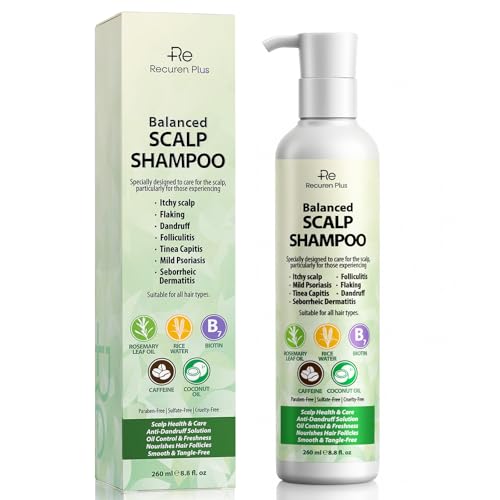
Antifungal Shampoo for Folliculitis & Dermatitis (8.8 fl oz)
- ✓ Gentle yet effective
- ✓ Calms itching
- ✓ Moisturizing feel
- ✕ Needs consistent use
- ✕ Scent mild for some
| Active ingredients | Piroctone Olamine, Salicylic Acid |
| Supporting moisturizing ingredients | Rosemary Extract, Coconut Oil |
| Formulation type | Sulfate-Free, Paraben-Free |
| Usage guidance | Apply to wet hair, massage scalp, leave 3-5 minutes, rinse thoroughly |
| Target conditions | Dandruff, seborrheic dermatitis, tinea capitis, psoriasis, folliculitis |
| Net content | 8.8 fl oz (260 mL) |
I finally got my hands on the Recuren Plus Antifungal Shampoo, and it felt like a missing piece finally clicked into place for my scalp routine. The bottle chills on the shower shelf, and the logo gives off a clinical-but-friendly vibe that says this one means business.
First thing I noticed when I squeezed some into my palm: the texture is lightweight but not overly foamy, and the scent is clean without being overpowering. You’ll feel the rosemary and coconut oils as you massage, which makes the 3-5 minute wait feel like a mini spa moment rather than a chore.
As I worked it through the roots, it lifted oil and buildup without that harsh squeak you sometimes get with stronger formulas. The Piroctone Olamine and Salicylic Acid work together to calm itch and reduce redness over repeated washes, which is exactly what I was hoping for after a rough week of flare-ups.
Rinsing is straightforward—no residue left behind, and my hair feels lighter rather than weighed down. I did notice my scalp staying calmer as the days passed, even with daily use during a busy schedule.
It’s sulfate-free and paraben-free, so I didn’t worry about irritation on sweaty days or post-workout showers.
If you’re prone to flakes, dermatitis, or folliculitis like I am, this shampoo nudges you toward a cleaner scalp without stripping moisture. It’s gentle enough for frequent use, but still delivers a noticeable clarify with each wash.
Overall, it felt like a reliable part of a consistent routine rather than a quick fix. You’ll appreciate the thoughtful blend of actives and soothing oils, especially if you’ve got sensitive skin on your scalp.
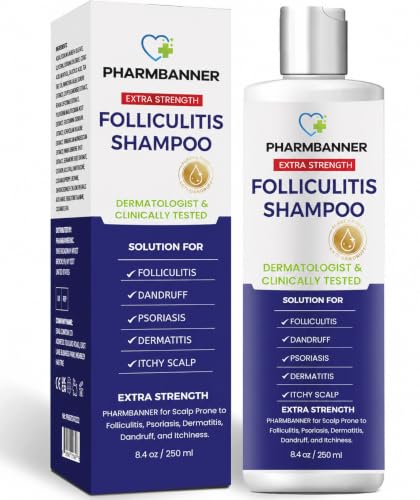
PHARMBANNER Anti-Fungal Shampoo for Folliculitis 8.4 oz
- ✓ Calming on scalp
- ✓ Dampens flakes
- ✓ Easy to use routine
- ✕ Fragrance fades slowly
- ✕ May require regular use
| Active Ingredient Focus | Antifungal formulation targeted for scalp; suitable for folliculitis-prone scalp |
| Usage Frequency | 3–5 times per week |
| Net Volume | 8.4 fl oz (248 mL) |
| Target Conditions | Folliculitis-prone scalp, dandruff, seborrheic dermatitis, scalp psoriasis, flaking, dryness, itch |
| Application Protocol | Wet hair, massage into scalp to lather, leave on 3–5 minutes, rinse thoroughly |
| Intended Users | Men and women |
The first time I unscrewed the cap and inhaled a faint herbal scent, I knew this shampoo wasn’t your average drugstore wash. The gel is on the thicker side, and the deep amber of the bottle feels premium in your shower caddy.
I grabbed a palmful, and the lather built quickly, coating every inch of my scalp.
As I worked it in, you can feel the texture—slightly creamy with enough slip to massage without tugging at strands. It rinses clean, leaving no sticky afterfeel, just a light, refreshed scalp.
I kept it in for the 3–5 minutes as advised, and the steam helped loosen flakes without over-drying.
Post-shower, my scalp looked calmer, and the itching had noticeably reduced by the next morning. The scent fades quickly, so you don’t have to worry about lingering fragrance during your day.
It’s gentle enough for routine use, yet specific enough to tackle flare-ups without overpowering your hair.
In a few weeks of regular use, I found the scalp felt more balanced—oil control felt improved and the flakes didn’t pile up as aggressively as before. If you’re dealing with folliculitis-prone scalp or dandruff plus sensitivity, this feels like a practical, targeted option you can actually stick with.
It isn’t a miracle cure, but it’s a dependable part of a thoughtful scalp-care routine.
If you’re balancing acne-prone areas and a sensitive scalp, this sits at a sensible middle ground—cleaning buildup, soothing irritation, and supporting a calmer feel without harsh stripping. It’s easy to fit into a weekly routine, and the 8.4 oz bottle lasts well without a heavy price tag.
What Is Benzoyl Peroxide and How Does It Help Treat Scalp Acne?
Best practices for using benzoyl peroxide shampoos include starting with lower concentrations to assess skin tolerance, applying the product directly to the affected areas, and allowing it to sit for several minutes before rinsing. It is also advisable to follow up with a moisturizing conditioner to mitigate any dryness that may occur. Regular use, as recommended by dermatologists, can lead to optimal results in treating acne-prone scalps.
What Are the Key Ingredients to Look for in a Shampoo for Acne Prone Scalp?
When selecting a shampoo for an acne-prone scalp, it’s essential to look for specific key ingredients that can effectively address the underlying issues.
- Benzoyl Peroxide: This powerful antibacterial agent helps to reduce acne-causing bacteria on the scalp, making it an effective ingredient for preventing breakouts. It also has keratolytic properties, which means it can help to exfoliate the scalp and prevent clogged hair follicles.
- Salicylic Acid: Known for its ability to penetrate deep into the pores, salicylic acid helps to break down excess oil and dead skin cells. This ingredient is particularly beneficial for exfoliating the scalp and reducing inflammation associated with acne.
- Tea Tree Oil: A natural antiseptic, tea tree oil has anti-inflammatory and antimicrobial properties that can help soothe the scalp and reduce acne lesions. Its soothing effect also helps to calm irritation and redness, promoting a healthier scalp environment.
- Witch Hazel: This natural astringent can help to tighten pores and reduce excess oil on the scalp. Witch hazel is also known for its anti-inflammatory properties, which can assist in relieving scalp irritation and redness associated with acne.
- Niacinamide: A form of vitamin B3, niacinamide is beneficial for its anti-inflammatory effects and ability to improve the skin barrier function. It can help to balance oil production and soothe irritated skin, making it ideal for those with acne-prone scalps.
- Zinc Pyrithione: This ingredient is commonly used in anti-dandruff shampoos, but it also has antifungal and antibacterial properties that can help reduce scalp acne. Zinc pyrithione works by targeting the microorganisms that can contribute to acne, while also soothing inflammation.
What Ingredients Should Be Avoided in Shampoos for Scalp Acne?
When choosing a shampoo for an acne-prone scalp, it’s important to avoid certain ingredients that can exacerbate the condition.
- Sulfates: These are harsh cleansing agents commonly found in shampoos that can strip the scalp of its natural oils, leading to increased dryness and irritation.
- Silicones: Often used to add shine and smoothness, silicones can build up on the scalp, trapping dirt and oil which may worsen acne and clog pores.
- Parabens: These preservatives can disrupt hormonal balance and have been linked to skin irritations, making them potentially problematic for sensitive, acne-prone skin.
- Alcohol: Certain types of alcohol, like isopropyl alcohol, can be overly drying and irritating, which may trigger increased oil production and worsen acne on the scalp.
- Fragrances: Synthetic fragrances can cause allergic reactions and irritation, leading to inflammation and breakouts on an already sensitive scalp.
- Heavy oils: Oils that are too thick or comedogenic can clog hair follicles, contributing to the formation of acne and preventing proper scalp health.
Sulfates, such as sodium lauryl sulfate, can be particularly harsh, leading to a compromised scalp barrier and increased susceptibility to acne. Silicones, like dimethicone, create a film over the scalp which can trap impurities and lead to breakouts. Parabens, while effective as preservatives, may have negative effects on skin health, especially for those with acne-prone skin. Alcohols, when used in high concentrations, can lead to excessive dryness, prompting the scalp to produce more oil, which can further aggravate acne. Fragrances, although they may make products smell pleasant, can be a source of irritation and allergic reactions for sensitive individuals. Lastly, heavy oils, such as coconut oil or olive oil, can easily clog pores, making them unsuitable for those prone to scalp acne.
How Do You Choose the Right Shampoo for Your Acne Prone Scalp?
Choosing the right shampoo for an acne-prone scalp involves understanding ingredients and formulations that can effectively manage acne without causing irritation.
- Benzoyl Peroxide: This is a powerful antibacterial agent known for its effectiveness in treating acne. It works by reducing the bacteria on the scalp that can contribute to breakouts, while also helping to unclog pores and prevent future pimples.
- Salicylic Acid: Often found in acne treatment products, salicylic acid is a beta hydroxy acid that helps exfoliate the scalp. It penetrates the pores to remove excess oil and dead skin cells, making it beneficial for preventing and treating scalp acne.
- Tea Tree Oil: This natural ingredient possesses antibacterial and anti-inflammatory properties, making it a great option for soothing acne-prone skin. It helps reduce redness and irritation while also combating the bacteria that lead to breakouts.
- Gentle, Sulfate-Free Formulas: Shampoos that are sulfate-free are less likely to irritate sensitive skin and can help maintain the scalp’s natural moisture. Look for formulations that cleanse without stripping the scalp, which is crucial for those prone to acne.
- Moisturizing Ingredients: Ingredients like aloe vera or glycerin can provide hydration and soothe the scalp. Keeping the scalp moisturized can prevent dryness, which sometimes prompts more oil production and exacerbates acne issues.
How Should You Use Benzoyl Peroxide Shampoo for Maximum Effectiveness?
To use benzoyl peroxide shampoo effectively for an acne-prone scalp, follow these key steps:
- Choose the Right Concentration: Select a shampoo with an appropriate concentration of benzoyl peroxide, typically between 2.5% to 5%, to balance effectiveness with skin sensitivity.
- Patch Test: Conduct a patch test on a small area of your scalp to check for any adverse reactions before using the shampoo more widely.
- Apply to Dry Hair: For maximum absorption, apply the shampoo to dry hair and scalp before wetting, allowing the benzoyl peroxide to penetrate effectively.
- Massage Thoroughly: Gently massage the shampoo into your scalp for at least 3-5 minutes to ensure even distribution and enhanced effectiveness.
- Leave It On: Allow the shampoo to sit on your scalp for a few minutes (usually 3-10 minutes) before rinsing to give the active ingredients time to work.
- Rinse with Cool Water: Rinse thoroughly with cool water to close the pores and avoid irritation that may occur from hot water.
- Follow with Conditioner: Use a gentle conditioner after shampooing to maintain moisture balance and avoid dryness that benzoyl peroxide can sometimes cause.
- Frequency of Use: Start with using the shampoo 2-3 times a week, gradually increasing frequency if tolerated, to find a suitable routine for your scalp.
- Avoid Other Irritants: During treatment, avoid using other harsh scalp products or treatments that may cause irritation, such as those containing sulfates or alcohol.
- Monitor Your Scalp: Keep an eye on your scalp’s response; if you experience excessive dryness or irritation, reduce usage or consult a dermatologist.
What Are the Potential Side Effects of Using Benzoyl Peroxide on the Scalp?
The potential side effects of using benzoyl peroxide on the scalp include:
- Dryness: Benzoyl peroxide can strip the scalp of its natural oils, leading to excessive dryness and flakiness.
- Irritation: Some individuals may experience scalp irritation, resulting in redness, itching, or a burning sensation after application.
- Allergic Reactions: Although rare, some people may have allergic reactions to benzoyl peroxide, which can manifest as swelling, rash, or severe itching.
- Discoloration: Benzoyl peroxide can bleach hair and fabrics, potentially leading to discoloration of colored hair or towels.
- Folliculitis: In some cases, excessive use of benzoyl peroxide may lead to folliculitis, an inflammation of the hair follicles that can cause bumps or pustules.
Dryness occurs because benzoyl peroxide functions as a drying agent to help reduce acne, but this can lead to a compromised moisture barrier and scalp health over time.
Irritation is common as the scalp may react to the potent nature of benzoyl peroxide, and those with sensitive skin may find that even small amounts can lead to discomfort.
Allergic reactions, while uncommon, should be monitored; symptoms may require discontinuation of use and consultation with a healthcare professional.
Discoloration is particularly important for individuals with dyed hair, as benzoyl peroxide can lead to unexpected changes in hair color, making it essential to apply it carefully.
Folliculitis can occur due to an imbalance in the scalp’s microbiome or excessive use of the product, leading to further complications in scalp health that may require additional treatment.
How Can You Enhance the Effectiveness of Your Shampoo for Scalp Acne?
<pTo enhance the effectiveness of your shampoo for scalp acne, consider the following approaches:- Use Benzoyl Peroxide: Incorporating a shampoo with benzoyl peroxide is crucial as it helps to reduce acne-causing bacteria and can prevent further breakouts on the scalp.
- Exfoliate Regularly: Regular scalp exfoliation can help unclog hair follicles and remove dead skin cells, which may contribute to acne formation.
- Maintain a Balanced pH: Using a pH-balanced shampoo helps maintain the scalp’s natural barrier, reducing irritation and inflammation that can exacerbate acne.
- Limit Product Build-up: Regularly cleanse the scalp to prevent product build-up, which can lead to clogged pores and worsen acne conditions.
- Incorporate Tea Tree Oil: Adding tea tree oil to your hair care routine can provide natural antibacterial properties, further aiding in the prevention of scalp acne.
- Follow with a Conditioner: Using a lightweight, non-comedogenic conditioner can hydrate the scalp without clogging pores, promoting a healthier scalp environment.
- Consult a Dermatologist: For persistent scalp acne, seeking professional advice may provide personalized treatment options and stronger medicated shampoos.
Use Benzoyl Peroxide: Incorporating a shampoo with benzoyl peroxide is crucial as it helps to reduce acne-causing bacteria and can prevent further breakouts on the scalp. This ingredient penetrates the skin and effectively targets the root causes of acne, making it one of the best choices for those with acne-prone scalps.
Exfoliate Regularly: Regular scalp exfoliation can help unclog hair follicles and remove dead skin cells, which may contribute to acne formation. Using a gentle scrub or an exfoliating shampoo once or twice a week can improve scalp health and reduce the risk of acne flare-ups.
Maintain a Balanced pH: Using a pH-balanced shampoo helps maintain the scalp’s natural barrier, reducing irritation and inflammation that can exacerbate acne. A balanced pH supports healthy scalp flora, which is essential for preventing acne development.
Limit Product Build-up: Regularly cleanse the scalp to prevent product build-up, which can lead to clogged pores and worsen acne conditions. Choosing a clarifying shampoo occasionally can help remove excess oils and styling products that may contribute to acne.
Incorporate Tea Tree Oil: Adding tea tree oil to your hair care routine can provide natural antibacterial properties, further aiding in the prevention of scalp acne. This essential oil is known for its soothing effects and can help reduce inflammation and redness associated with acne.
Follow with a Conditioner: Using a lightweight, non-comedogenic conditioner can hydrate the scalp without clogging pores, promoting a healthier scalp environment. Look for conditioners that are free from heavy oils and silicones to minimize the risk of acne.
Consult a Dermatologist: For persistent scalp acne, seeking professional advice may provide personalized treatment options and stronger medicated shampoos. A dermatologist can recommend the best course of action based on individual skin types and the severity of the condition.
Related Post: